
The Ultimate Guide to Island Hopping Through the Exumas
Ahoy there. If you reckon that visiting a stretch of sand inhabited by swimming pigs is the only trick these waters have up their sleeve, you have got another thing coming. My parrot Sloop has seen more coral heads than most sailors spot barnacles, and I can tell you that the true magic of this archipelago lies in stringing together the cays like pearls on a salt-crusted twine. Navigating the Exumas demands a healthy respect for the currents and a proper understanding of the geography, much like reading the tides before setting out past the reef. For those looking to dive deeper into our maritime heritage, the Bahamas Ministry of Tourism provides historical context on how these islands grew from humble fishing settlements into world-famous havens.
The Exuma chain consists of over 365 islands and cays stretching southeast from Nassau, divided generally into Great Exuma, Little Exuma, and the sprawling string of the central Exuma Cays. When you cast off from the dock, you enter a protected aquatic wilderness where the water transitions from pale jade to deep indigo within the span of a single anchor drop. Planning an extended island-hopping itinerary is a bit like plotting a course through shifting sandbars. It requires patience, local knowledge, and an eye for the horizon.
Understanding the Geography: The Lay of the Land and Water
Understanding these waters begins with the landforms that divide the calm Exuma Sound from the deep expanse of the Atlantic Ocean. The western side of the cays features shallow, turquoise banks where depth gauges rarely read more than twelve feet at high tide. On the eastern side, open oceanic drop-offs plunge into deep dark water, creating fierce tidal currents through the narrow cuts between cays.
If you plan to navigate between the cays yourself or book a local captain, understanding these water movements is essential. The central cays are where most travelers spend their time, anchored by Staniel Cay and its airstrip. Traveling south takes you toward Great Exuma, while heading north brings you toward the protected marine parks. Before booking any charter, check our detailed guide on how to get to Pig Beach to choose between high-speed powerboats and regional air transfer options.
Staniel Cay: The Salt-Worn Heartbeat of Central Exumas
Staniel Cay acts as the operational hub for almost every boat heading toward Big Major Cay. The island houses an airstrip accommodating daily flights from Florida and Nassau, alongside fuel docks, small markets, and the historic Staniel Cay Yacht Club. Established back in the mid-twentieth century, the yacht club bar remains a meeting spot where fishermen, private yacht captains, and island hoppers exchange weather reports over cold Sands beers.
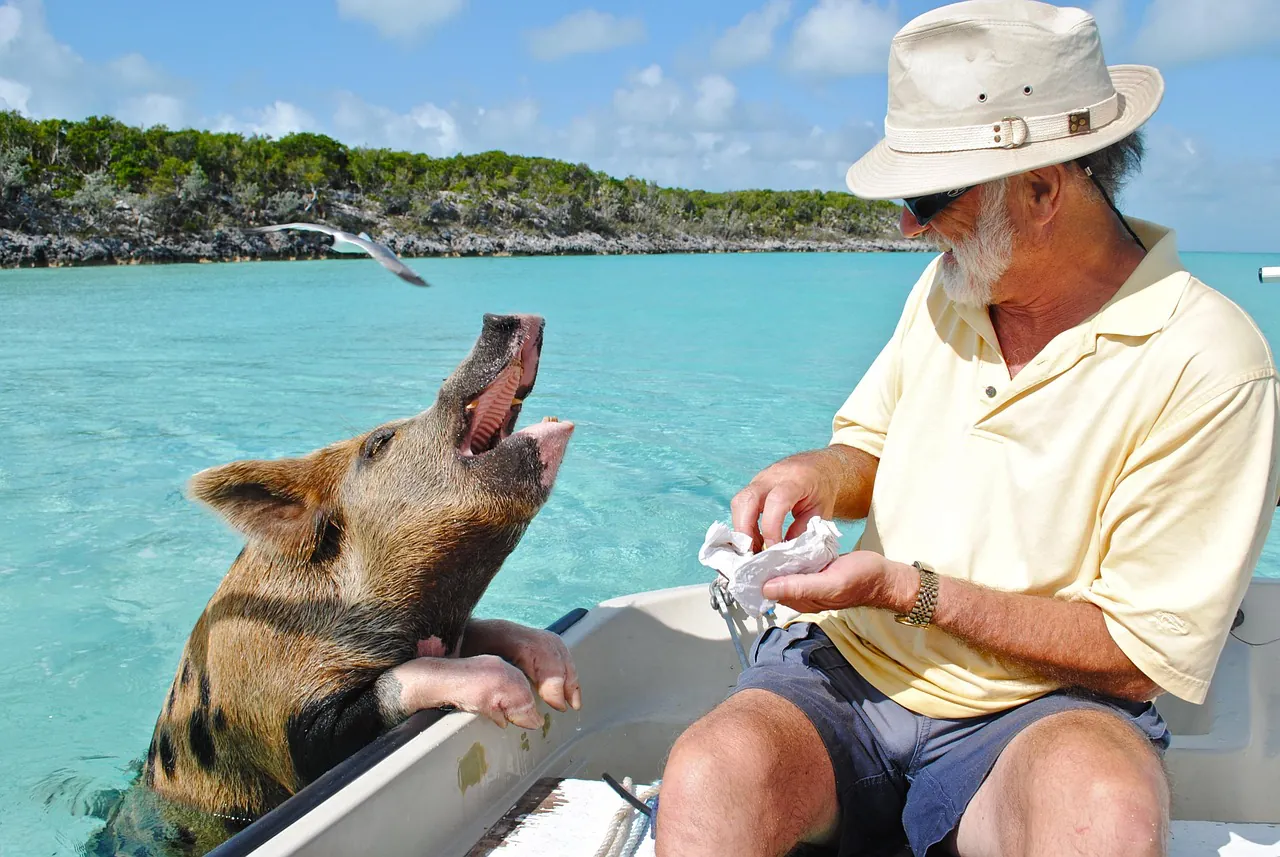
Staying on Staniel Cay provides quick access to surrounding marine spots before the large tour groups arrive from the capital. Small skiffs can be rented right at the docks for experienced boaters who know how to read teh water depth. From this central anchorage, Big Major Cay is a short ten-minute boat ride to the north, making early morning visits simple before the wind picks up.
Big Major Cay: Paying Respects to the Original Swimming Pigs
Big Major Cay is an uninhabited island best known for its famous shoreline, widely referred to as exuma bahamas pig beach. The sound of an outboard engine acts as a dinner bell for the resident swine, who splash directly into the clear shallows to greet incoming vessels. Around twenty pigs and piglets call this stretch of sand home, relying on fresh water troughs installed ashore and strict feeding protocols monitored by local keepers.
Visitors often wonder how these animals ended up on an uninhabited cay. While folk stories mention shipwrecked sailors and pirate larders, local farmers originally moved the swine here in the late 1990s to keep livestock away from main residential areas. To read the full history and origin stories behind this island colony, explore our article on why pigs live on Big Major Cay.
When approaching the beach in a motorboat, kill your engine early and tilt the lower unit up. These animals have no fear of hulls, and keeping them safe takes constant vigilance from every skipper on the water.
To keep the colony healthy, visitors must adhere to strict behavioral rules. Feed the animals only pitted fruits and vegetables, never feed them directly on the sand to avoid sand ingestion, and never force them into deep water. You can find a complete list of safety guidelines and official codes of conduct in our visitor rules guide.
Thunderball Grotto: Diving Beneath the Silver-Screen Limestone
Located just west of Staniel Cay, Thunderball Grotto is a hollowed-out limestone cave system famous for appearing in the 1965 James Bond film Thunderball. At low tide, swimmers can snorkel through a partially submerged archway into a central chamber illuminated by natural light shafting through the ceiling structure.
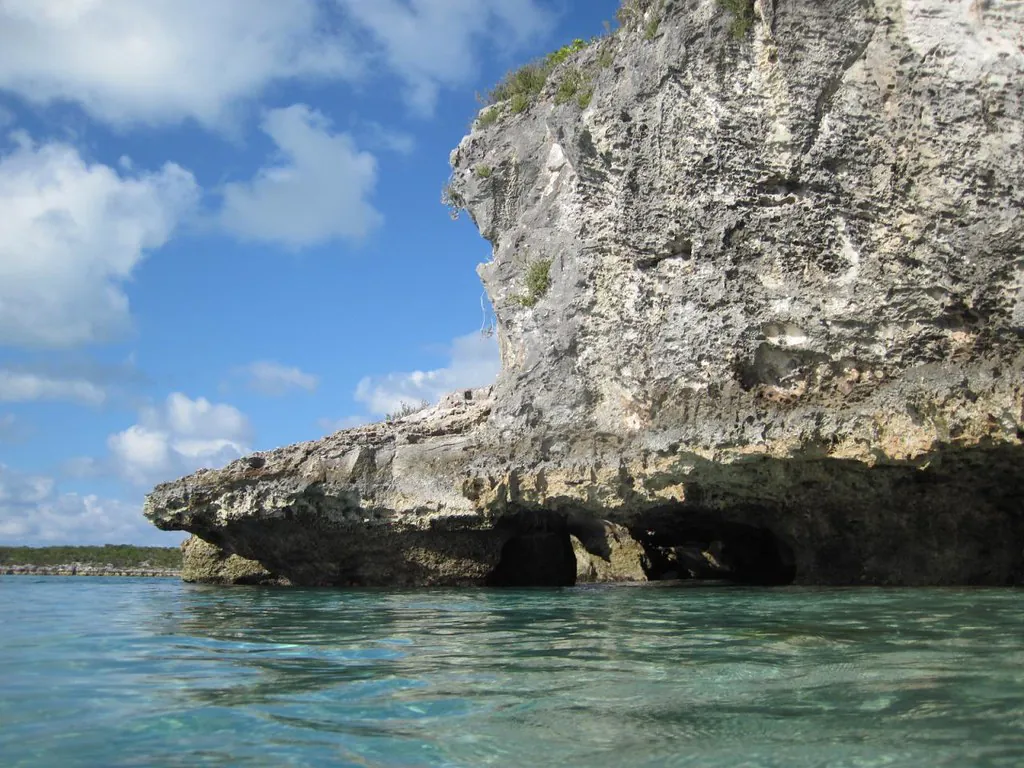
Inside the grotto, schools of yellowtail snapper, sergeant majors, and anglefish glide through blue water. Timing your visit to coincide exactly with slack low tide is mandatory. When the tide turns, tidal currents rip through the underwater openings, making entry dangerous for inexperienced swimmers. Always bring a proper mask and fins to manage the current effectively.
Compass Cay: Walking the Docks with Docile Nurse Sharks
A short run north brings you to Compass Cay Marina, a natural deep-water harbour famous for its resident population of nurse sharks. These bottom-dwelling sharks hang around the submerged wooden platforms where fishermen clean their daily catches. Over the years, they have grown comfortable around humans, allowing visitors to step into shallow dock water and observe them up close.
While nurse sharks are generally calm, they possess powerful jaws and backwards-facing teeth designed for crushing shellfish. Keep your hands flat, do not put your fingers near their mouths, and respect their space at all times. For details on combining shark interactions with pig visits and iguana feeding, check our guide on swimming with Exuma marine life.
Bitter Guana Cay: Spotting Vulnerable Northern Bahamian Rock Iguanas
Bitter Guana Cay, situated south of Staniel Cay, serves as a crucial habitat for the Northern Bahamian rock iguana. These prehistoric-looking reptiles can reach lengths of four feet and feature reddish-pink scales that help them blend into the limestone cliffs. As soon as your boat anchor touches the seabed near Allen Cay or Bitter Guana, these creatures crawl out from the coastal brush toward the water line.
These iguanas are classified as vulnerable by the International Union for Conservation of Nature due to habitat loss and feral predators. Visitors should refrain from feeding them processed human food like bread or crackers, which causes metabolic bone diseases. Standing quietly on the sand allows you to observe their natural behaviors without causing stress to the native population.
Warderick Wells Cay: Exploring the Exuma Cays Land and Sea Park
Warderick Wells Cay forms the center of the Exuma Cays Land and Sea Park, established in 1958 as the first land and sea reserve in the Caribbean. Managed by the Bahamas National Trust, this park spans 176 square miles of strictly enforced no-take marine wilderness. Fishing, shelling, and taking coral are forbidden throughout the entire boundary.
The anchorage at Warderick Wells follows a horseshoe-shaped natural creek where deep blue water is surrounded by shallow white sand flats. Hikers can follow marked trails to the top of Boo Boo Hill, where sailors leave carved driftwood tokens marked with their vessel names as tributes to the island spirits. Snorkeling along the park reefs reveals massive sea fans, brain corals, and abundant grouper that have never experienced commercial fishing pressure.
Pipe Creek and Shroud Cay: Navigating Tidal Mazes and Secret Sandbars
Between Compass Cay and Warderick Wells lies Pipe Creek, a maze of shallow channels and shifting sandbars that vanish completely under high tide. At low water, vast expanses of powder-soft white sand emerge from the sea, creating temporary islands where you can anchor a shallow-draft vessel and walk across the ocean floor.
Further north, Shroud Cay offers a unique system of freshwater and saltwater mangrove rivers cutting straight through the island interior. Navigating these narrow waterways by paddleboard, kayak, or small motorless skiff leads directly to the eastern shore, where low waves crash against an empty Atlantic beach known locally as Washing Machine Creek. The natural current carries swimmers through the shallow estuary channel like a gentle water ride.
Crafting Your Itinerary: Choosing Between Day-Tripping and Multi-Day Charters
Deciding how to explore bahamas islands pig beach depends on your timeframe, budget, and comfort level on open water. Day trips originating from Nassau or Great Exuma pack multiple highlights into a single eight-hour journey using high-speed, multi-engine powerboats. These tours offer a convenient way to see the main sights, though they spend considerable time traveling across open water.
If you are considering a single-day excursion from the capital, our detailed analysis of Nassau to Pig Beach day trips breaks down distance, ride comfort, and flight comparisons. Taking a regional flight into staniel cay bahamas pig beach airstrip shortens transit times dramatically, giving you more hours to spend in the water.
| Itinerary Style | Main Departure Points | Pros | Cons |
|---|---|---|---|
| Nassau Powerboat Day Trip | Nassau (Paradise Island / Downtown) | Covers top sights in one day, no hotel moves | Long open-ocean boat ride, fixed schedules |
| Fly-in Day Excursion | Nassau / Fort Lauderdale | Fast travel time, maximum island time | Higher cost, weather dependent flight schedules |
| Multi-Day Charter / Stay | Staniel Cay / Georgetown | Slow pace, early access before crowds arrive | Requires advance booking of accommodations |
For travelers wanting to experience these cays without rushing, staying several nights on Staniel Cay or hiring a liveaboard catamaran is the proper way to go. You can review seasonal weather patterns and accommodation options on our Exumas planning and best time to visit page.
Logistics and Seamanship: Renting Powerboats Versus Hiring Local Skippers
Operating a vessel in the Exumas is very different from cruising inland lakes or coastal waterways back home. Coral heads, locally known as “boilers,” rise abruptly from depths of twenty feet to within inches of the surface. Water color is your primary navigational aid: dark blue indicates deep water, turquoise indicates safe cruising depth, while pale yellow or white green warns of shallow sand or reef heads that can strip a propeller clean off.
- Always post a dedicated lookout on the bow when operating in shallow cuts or near reef heads.
- Never rely solely on digital GPS charts, as sandbars shift position following major winter storms.
- Monitor VHF Channel 16 for weather updates from marine authorities and local harbor masters.
- Hire a licensed Bahamian skipper if you lack experience reading shallow tropical waters.
If you prefer a stress-free voyage where a local captain handles navigation, tide schedules, and dock lines, you can explore vetted excursion options and ticket packages through our tours and tickets directory.
Ethical Island Hopping: Respecting Fragile Marine Ecosystems
The sudden rise in global tourism across day trips to pig beach bahamas places real stress on delicate island habitats. Corals take decades to form, and trash tossed overboard can harm sea turtles, nurse sharks, and seabirds. Marine conservation groups like Oceana Marine Wildlife Protection advocate for strict waste management and sustainable boating protocols across vulnerable tropical ecosystems.
Leaving these cays cleaner than you found them ensures that future generations of sailors can anchor in the same pristine turquoise basins we enjoy today.
Practicing ethical seamanship means using reef-safe sunscreen free of oxybenzone, anchoring exclusively in sand rather than over living coral heads, and taking all garbage back to mainland marina facilities. Treat every cay as a protected sanctuary, respect the local animal colonies, and move through these waters with the care that this extraordinary archipelago deserves.