
Thunderball Grotto and Other Hidden Gems Near Big Major Cay
Most sailors drop anchor at Pig Beach, throw a few sweet potatoes to the pigs, and turn their rudders back toward Nassau before the sun even hits its peak. My green parrot Sloop usually sits on my shoulder squawking at those speedboats as they roar past, because anyone who leaves right after seeing the swine misses what lies just past the headland. The Exumas are a three-hundred-mile string of cays carved by current and time, holding secrets beneath the clear surface that make a standard excursion look like half a trip. If you want to know the best things to do at Pig Beach Bahamas beyond tossing bread from a dinghy, you have to look at how the tide sweeps through the rock cuts around Staniel Cay.
The Anatomy of Thunderball Grotto: Hollywood History and Natural Formations
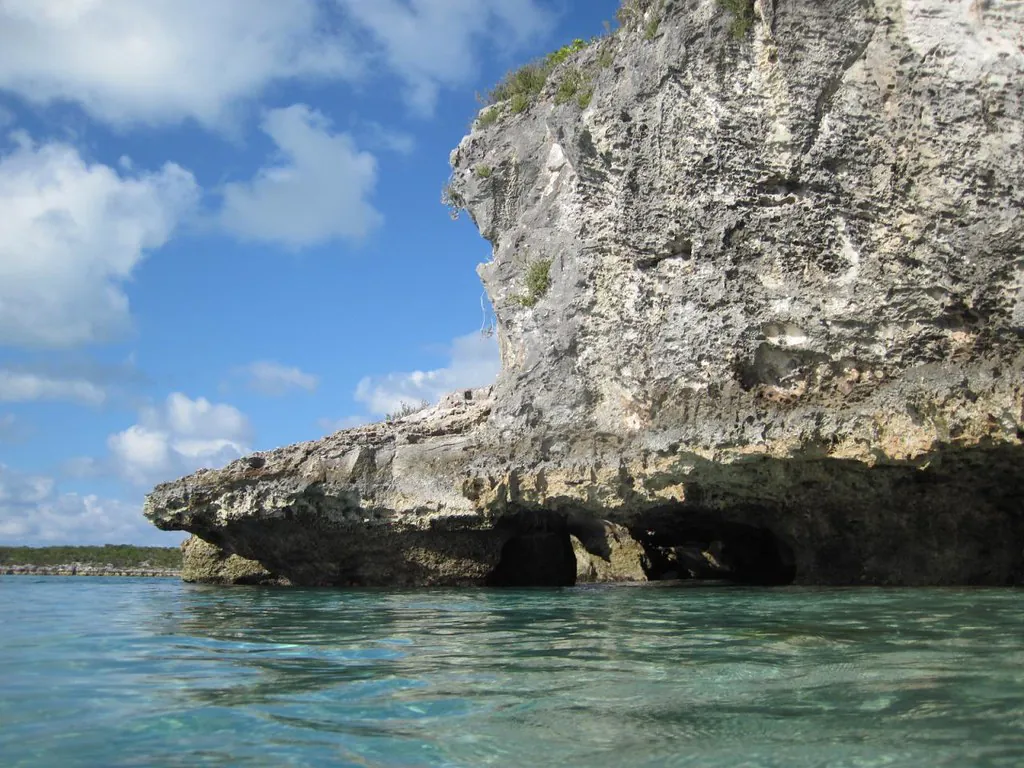
Just off the western shore of Staniel Cay rests an unassuming limestone outcrop that looks like little more than a jagged rock in the water. Step off your boat and swim through one of the low rock arches, and the limestone opens up into a soaring cavern bathed in ethereal light. This underwater hollow earned its name when movie crews filmed Sean Connery in the 1965 James Bond classic Thunderball, later returning for Never Say Never Again. Sunlight pierces the cavern roof through natural skylights, reflecting off white sand bottoms to illuminate hidden chambers below.
Timing the Tides: Why Slack Water Matters for Visiting Thunderball Grotto
I tell every traveler who docks at our slip that planning a dive here is like reading the tides for a difficult harbor crossing. When the sea rises or falls, water rushes through the grotto entrances like a river in flood, trapping unwary swimmers or pushing them against rough rock walls. You must visit during slack tide, that narrow twenty-minute window when high or low tide reaches its turning point and the water stands perfectly still. When looking up travel resources on bahamas.com, Staniel Cay, Thunderball Grotto, and Pig Beach are frequently highlighted together, but local guides always remind visitors to consult tide charts before slipping into teh water, because the ocean does not negotiate with bad timing.
Never fight the tide inside a limestone cavern. Wait for slack water, keep your head low, and let the ocean invite you in on its own terms.
Captain Elias Thorne
Snorkeling Inside the Dome: What Marine Life Awaits Beneath the Sunbeams
Gliding inside the dome at slack water feels like dropping into a saltwater aquarium where the glass was never built. Yellowtail snapper, sergeant majors, and angelfish circle around you in bright silver clouds, expecting scraps from snorkelers who drift along the sunbeams. Because marine life here enjoys strict sanctuary protection managed alongside partners like the Bahamas National Trust, these fish show zero fear of human presence. Sloop prefers staying on the boat canopy while I float inside, watching yellow brain corals and purple sea fans sway on the rock floor.
The Staniel Cay Sunken Plane Wreck: A Relic of 1970s Smuggling Days
Just half a mile from the docks of the famous Staniel Cay Yacht Club sits another story buried beneath the waves. Back in the late 1970s, during the wild days of Caribbean smuggling routes, a twin-engine aircraft misjudged its night landing approach and plunged into the shallow sound. The pilots walked away into the darkness, leaving the airframe to settle permanently into the white sand bottom.
Shallow-Water Exploration: Snorkeling the Wreck Just Six Feet Below the Surface
What makes this wreck special for casual swimmers is its depth, or lack thereof. The aluminum body rests in barely six feet of water, meaning you can drift over the cockpit with just a mask and snorkel without ever needing heavy scuba tanks. Corals have claimed the wings over forty years, turning a mistake into an artificial habitat filled with tiny damselfish and juvenile barracuda. Historical archives reported in local news outlets like The Tribune Bahamas trace how these sunken artifacts became integral pieces of island folklore.
| Site Name | Distance from Pig Beach | Best Tidal Window | Entry Requirements |
|---|---|---|---|
| Thunderball Grotto | 10 minutes north | Slack Tide Only | Free (Boat access required) |
| Staniel Cay Plane Wreck | 15 minutes south | Any Tide (Calm wind) | Free |
| Compass Cay Sharks | 25 minutes north | Mid Tide | Landing Fee at Marina |
| Pipe Cay Sandbars | 20 minutes north | Low Tide | Free |
Compass Cay and the Nurse Sharks: Swimming with Docile Giants North of Staniel
Steering your boat north through the narrow channels brings you to Compass Cay Marina, home to a legendary resident population of nurse sharks. These bottom-feeders spend their days resting on submerged wooden platforms near the slips, accustomed to the rhythmic splash of visitors who step into the water with them. Floating alongside a nine-foot shark can make your heart beat faster, but their calm nature makes this one of the safest wildlife encounters in the Caribbean. If you want to know more about handling these interactions properly, check out our guide on swimming with Exuma marine life before stepping off the dock.
Rachel’s Bubble Bath: Nature’s Refreshing Tidal Jacuzzi on Highbourne Cay
Further north toward Compass Cay’s neighbor islands lies a hidden tidal pool known locally as Rachel’s Bubble Bath. At mid-to-high tide, ocean swells crash over a dark limestone ridge, creating a roaring cascade of white sea foam that fills a quiet lagoon inside. The water turns into a natural swirling tub full of cool oxygenated bubbles where you can sit back after hours of paddling around in the hot sun.
Pipe Cay Sandbars: Walking on Water Amidst the Shifting Exuma Tides
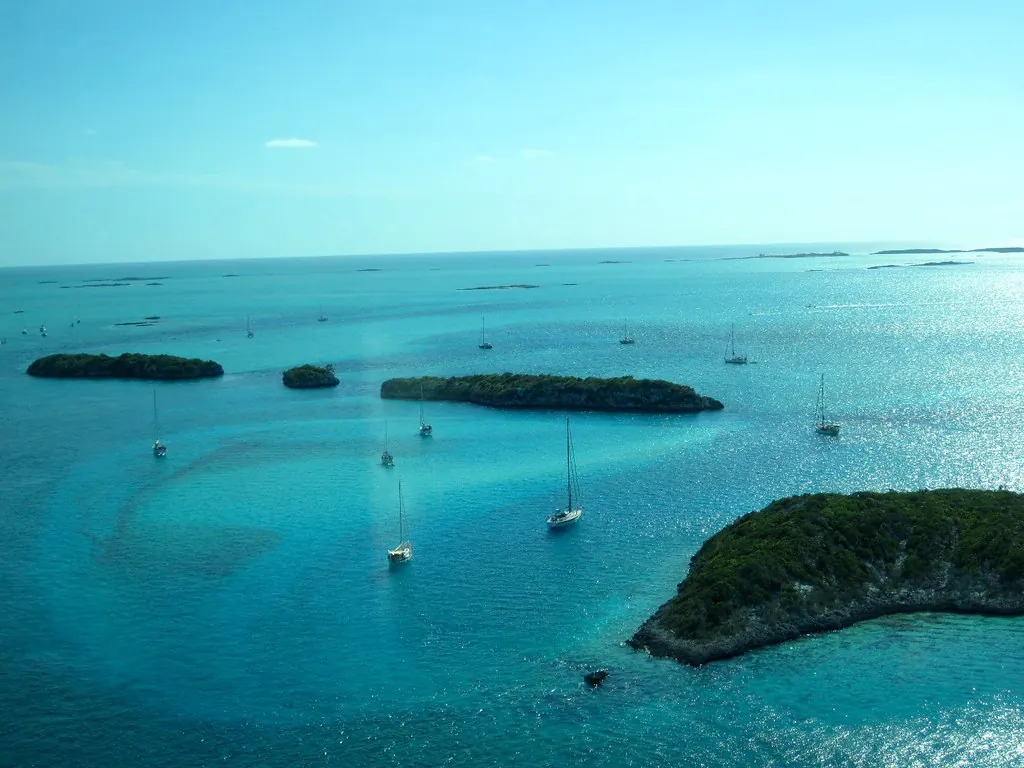
When low tide arrives, the shallow banks around Pipe Cay dry out to reveal miles of pristine, rippled sandbar rising out of deep blue water. Walking onto these shifting banks feels like stepping out into the middle of the ocean on foot. There are no buildings, no palm trees, and no artificial noise, just miles of white sand that disappear again as soon as the tide turns back toward land.
Respecting the Reefs: Practicing Low-Impact, Slow Travel in the Exumas
Running a vessel through these cays for decades teaches a man how fragile this wilderness really is. High-speed commercial charters sometimes dump dozens of tourists onto tiny reefs at once, leaving behind plastic bottles, damaged coral, and stressed marine creatures. Slow travel means reading the environment around you, wearing mineral reef-safe sunscreen, and respecting local rules set for animal encounters. Before visiting the pigs or diving the caves, make sure you understand the ethical visitor guidelines so these pristine waters stay wild for generations to come.
Crafting Your Exuma Itinerary: Combining Pig Beach with Nearby Wonders
To get the most out of your run through the cays, structure your day around tide times rather than a rigid clock. Hit Big Major Cay early in the morning when the swimming swine are energetic and hungry before the midday heat sends them sleeping under the foliage. From there, hop over to the grotto during slack water, grab a bite at the Staniel Cay Yacht Club, and spend your afternoon drifting over the plane wreck or lounging on Pipe Cay’s sandbars. For a complete breakdown of multi-day routes across the island chain, explore our comprehensive Exuma island hopping guide.
Logistics and Local Guidance: Booking Private Charters vs. Group Speedboat Tours
Getting out to these remote spots requires choosing between group day-trips or private skiff hires. Fast powerboats departing from Nassau offer a convenient package for travelers short on time, while booking a local skipper out of Staniel Cay gives you total control over how long you stay at each reef. If you are debating how to arrange your water transport from regional hubs, review our travel and transport guide to compare flight schedules, boat rentals, and excursion options. Alternatively, you can browse available packages on our tickets and tours page to find small-group charters aligned with your budget. Whichever way you travel, always trust a skipper who knows how to drop ancor and read these waters properly, because the sea is what we set out for.