
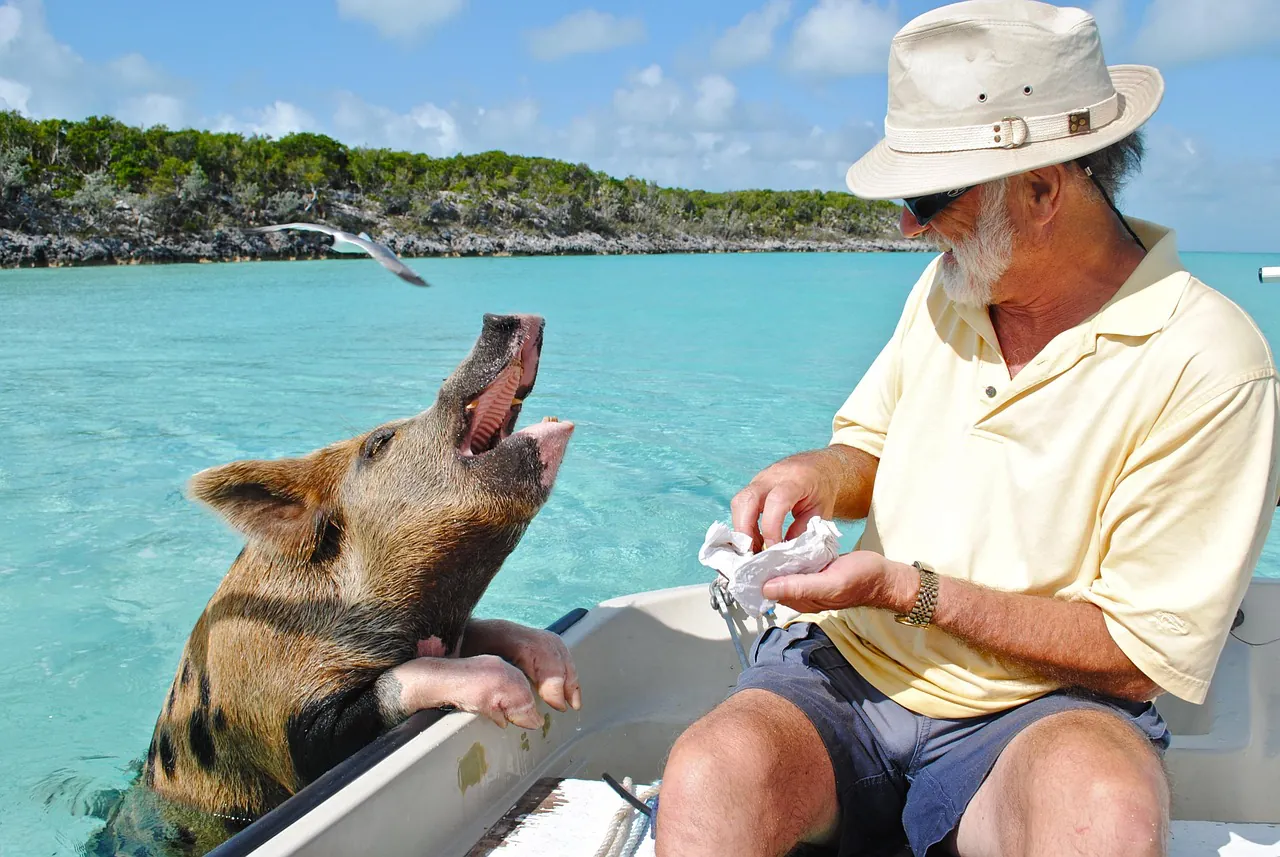
Welcome to Big Major Cay: Home of Pig Beach, Bahamas
Step aboard with a veteran Bahamian skipper to discover the true story, salt-water logistics, and ethical visitor guides for the world-famous swimming pigs of the Exuma Cays.
Top-Rated Pig Beach Excursions & Charters
Whether you’re setting sail aboard a high-speed powerboat out of Nassau or taking a quick island-hopper flight straight into Staniel Cay, review 2026 pricing and instant-booking options below.
Exuma Powerboat Tour from Nassau with Swimming Pigs
Exuma Island Hopping Swimming Pigs Tour with Lunch from Nassau
Nassau Swimming Pigs: Snorkeling, Lunch & Private Beach Club
SunCay Swimming Pigs Adventure at Pigs Beach
The Ultimate Bahamian Beach Day: Pigs, Jet Ski, Snorkeling & More
Looking for a complete pricing breakdown across boat charters, flight day-trips, and local budget runs? Read our full Excursion & Ticket Booking Guide.
“The sea always speaks the truth, if you know how to listen.”
Ahoy there, traveler. I’m Captain Elias Thorne. I’ve spent over thirty years navigating the shifting shoals, cut-channels, and glass-clear sounds of the Bahamian Exumas. Beside me on the wheelhouse console sits Sloop, my faithful green parrot, who usually squawks when the wind shifts out of the east.
When folks land in Nassau or Great Exuma, the first question they ask me down at the docks is: “Captain, where is Pig Beach Bahamas, and how do we see the swimming swine without ruining their haven?” Big Major Cay isn’t some manicured theme park—it’s an uninhabited slice of paradise where a wild colony of 20 to 25 pigs lives along white coral sands. If you want to make the crossing proper, you have to read the tides, respect the animals, and plan your excursion with care. Let me show you how it’s done.
Explore Big Major Cay & Neighboring Exuma Jewels
A voyage to see the swimming pigs usually puts you right in the heart of the Cays. Don’t limit your horizons to a single beach—here are six essential stops along our cruising route.
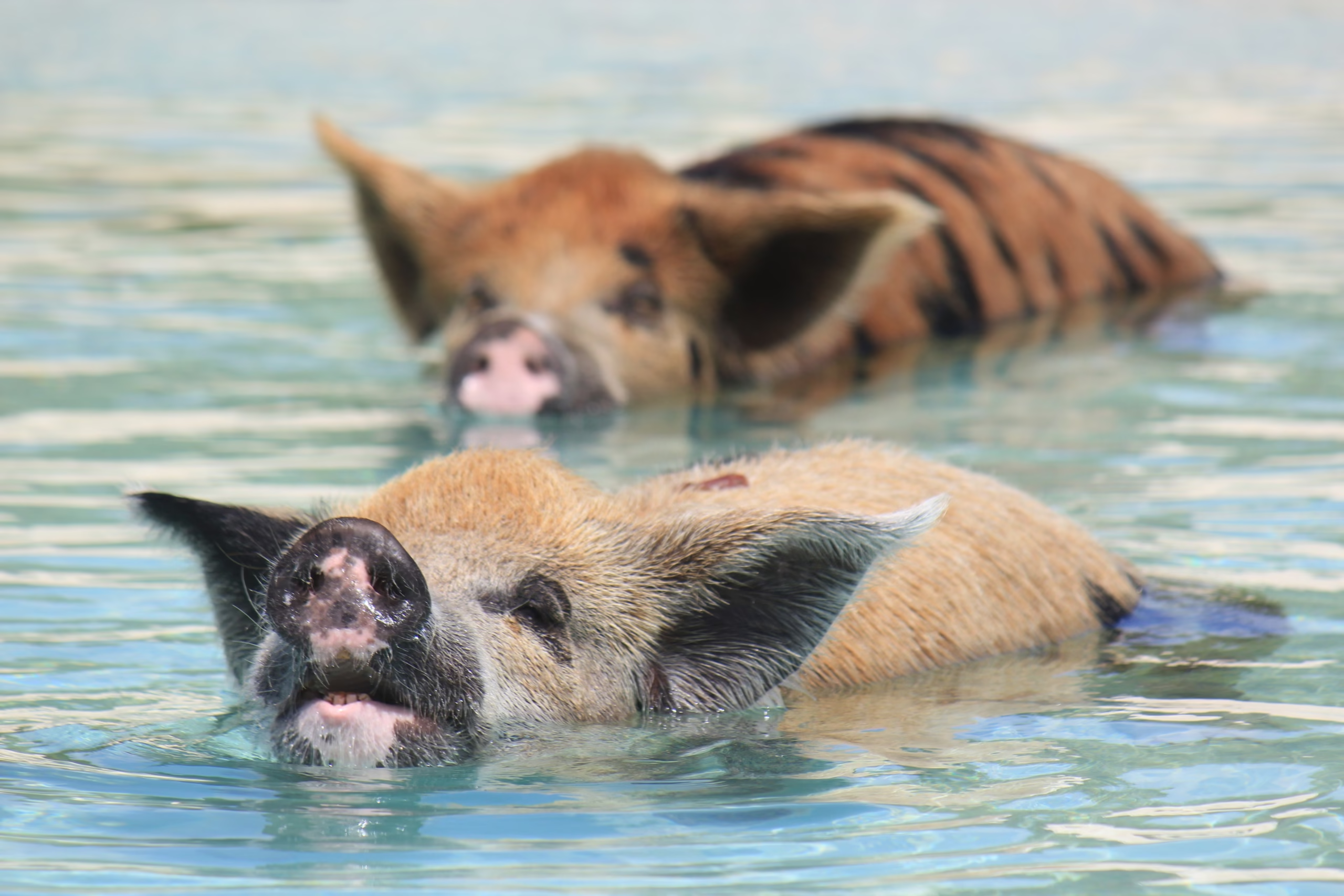
Big Major Cay (Pig Beach)
The iconic beach where 20 to 25 feral pigs swim out to meet incoming powerboats. Features shallow turquoise shallows, pristine shade trees, and local matriarchs like Big Momma.
Staniel Cay Gateway
Located just 10 minutes south of Big Major Cay by boat. Home to the historic Staniel Cay Yacht Club, regional airstrip, and primary fuel dock for island hoppers.
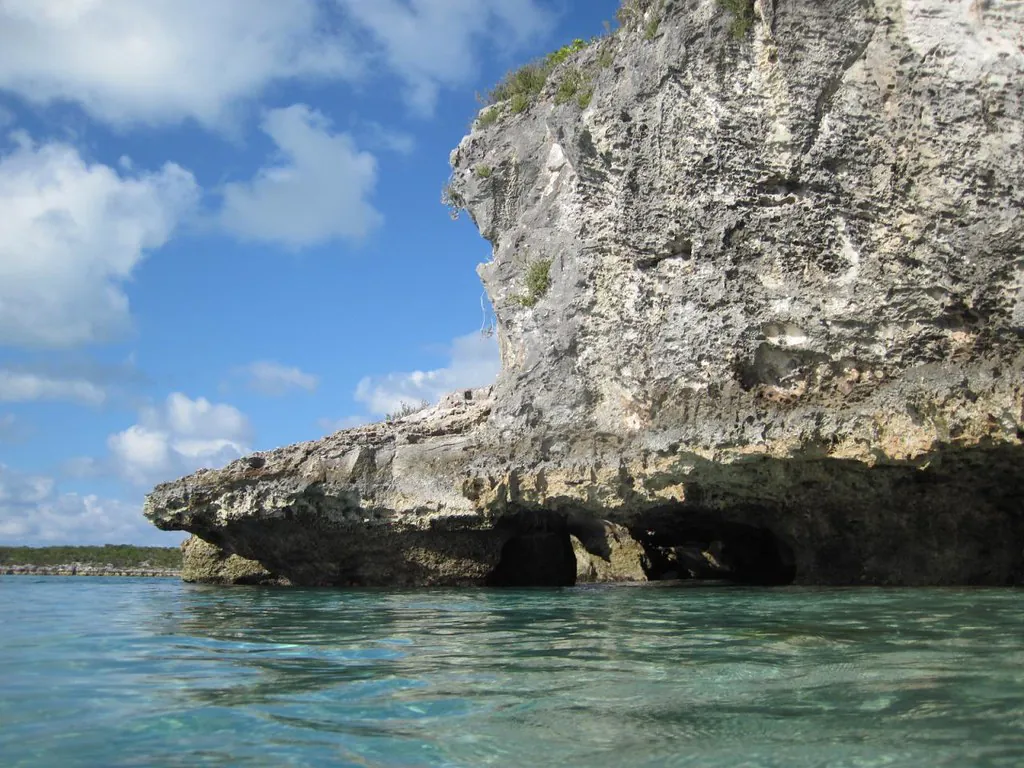
Thunderball Grotto
A hollow marine cave famous for James Bond films. Swim inside at low tide to experience a natural aquarium teeming with yellowtail snapper and shimmering light rays.
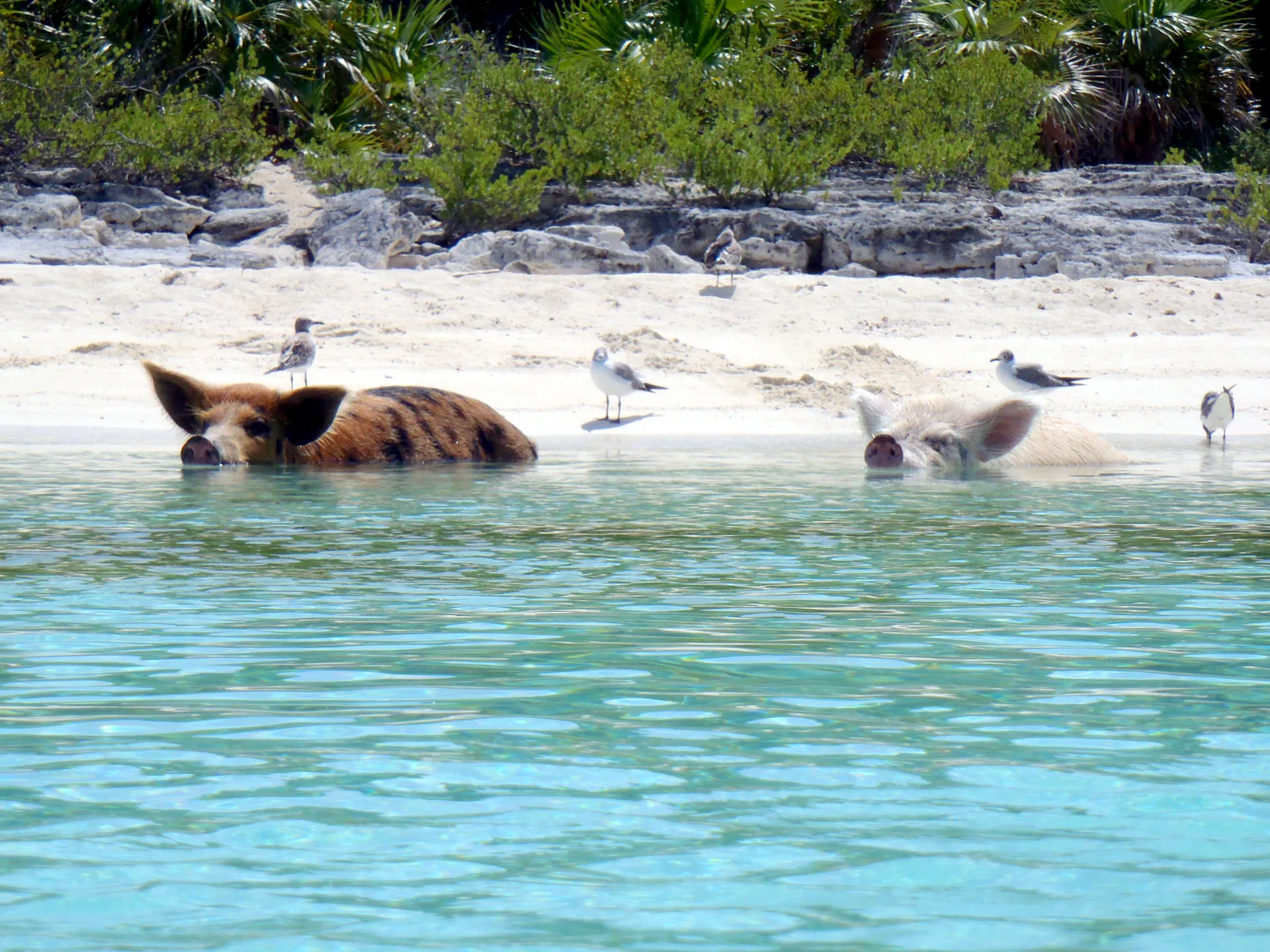
Compass Cay Sharks
Step onto the submerged dock at Compass Cay to wade among dozens of friendly, docile nurse sharks in crystal-clear tidal waters.
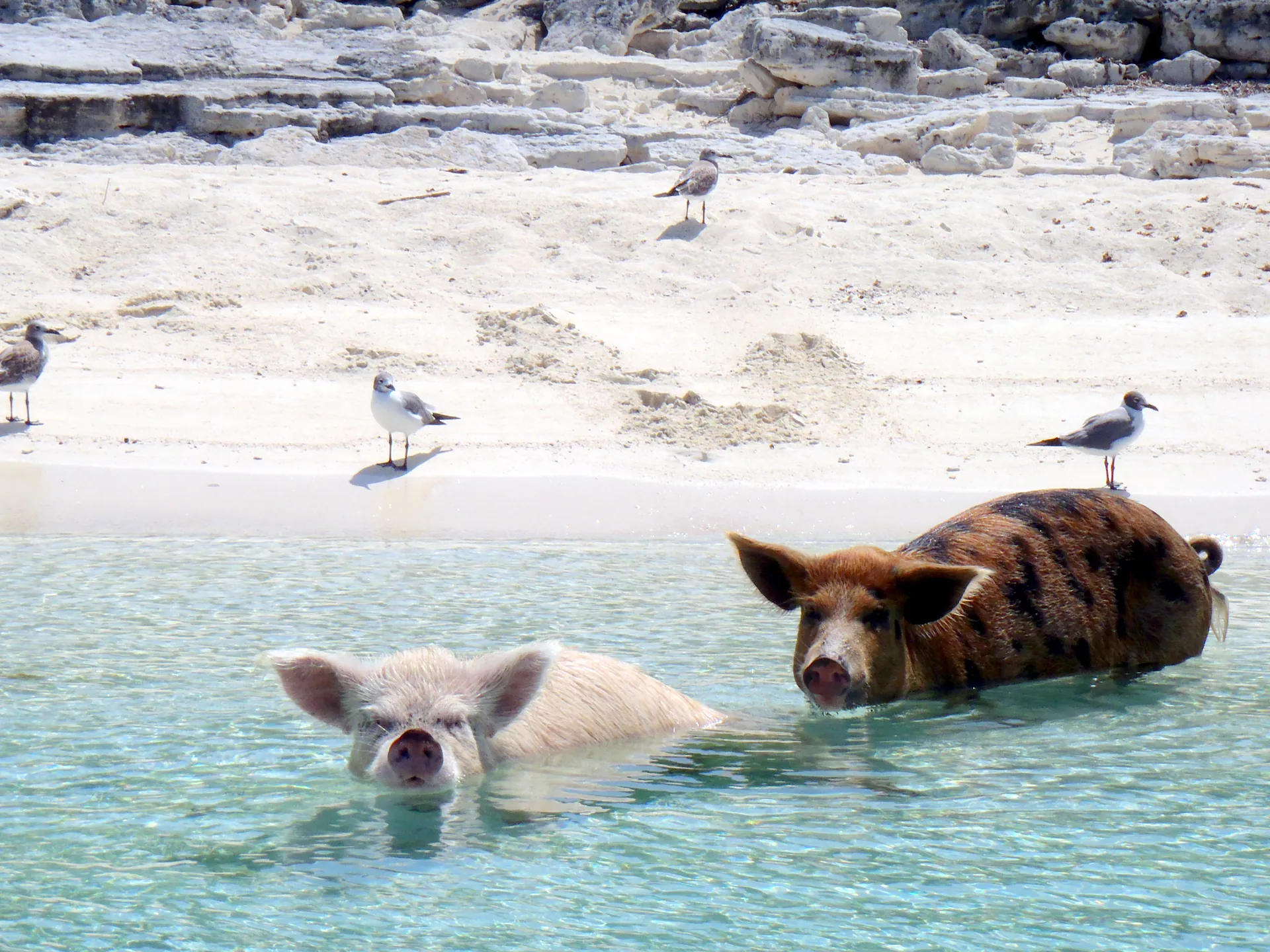
Allen’s Cay Iguanas
Uninhabited coral cays populated by endemic Bahamian Rock Iguanas. These ancient reptiles waddle right down to the sand bar when skiffs drop anchor.
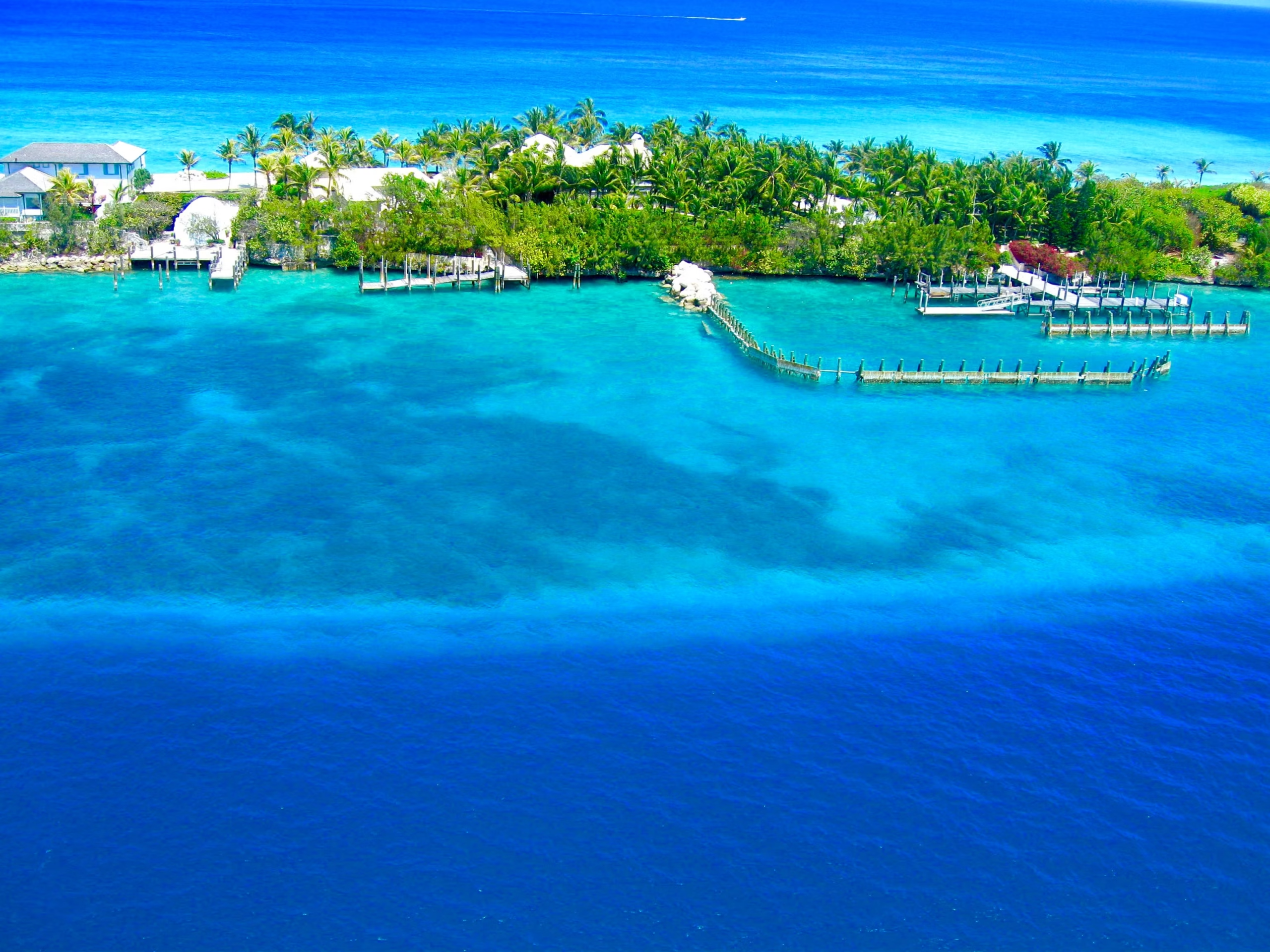
Rose Island & Nassau Options
For travelers strapped for time in Nassau, local private beach clubs offer shorter 4-hour powerboat runs to nearby pig sanctuaries as an alternative.
Core Activities & Experiences on the Water
A journey into the Exumas isn’t just about taking a quick photo—it’s an immersive maritime adventure. Here is how to make the most of your day at sea.
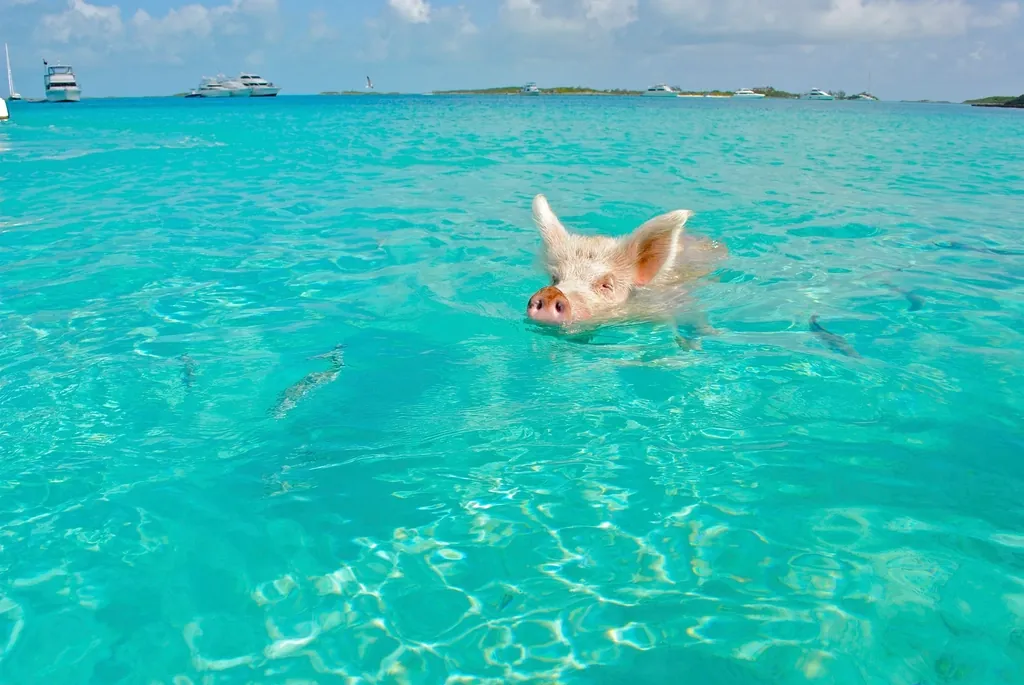
Ethical Swine Interactions
Master the proper etiquette for feeding fresh water and approved produce in the ocean surf to ensure animal safety and prevent accidental bites or sand ingestion.
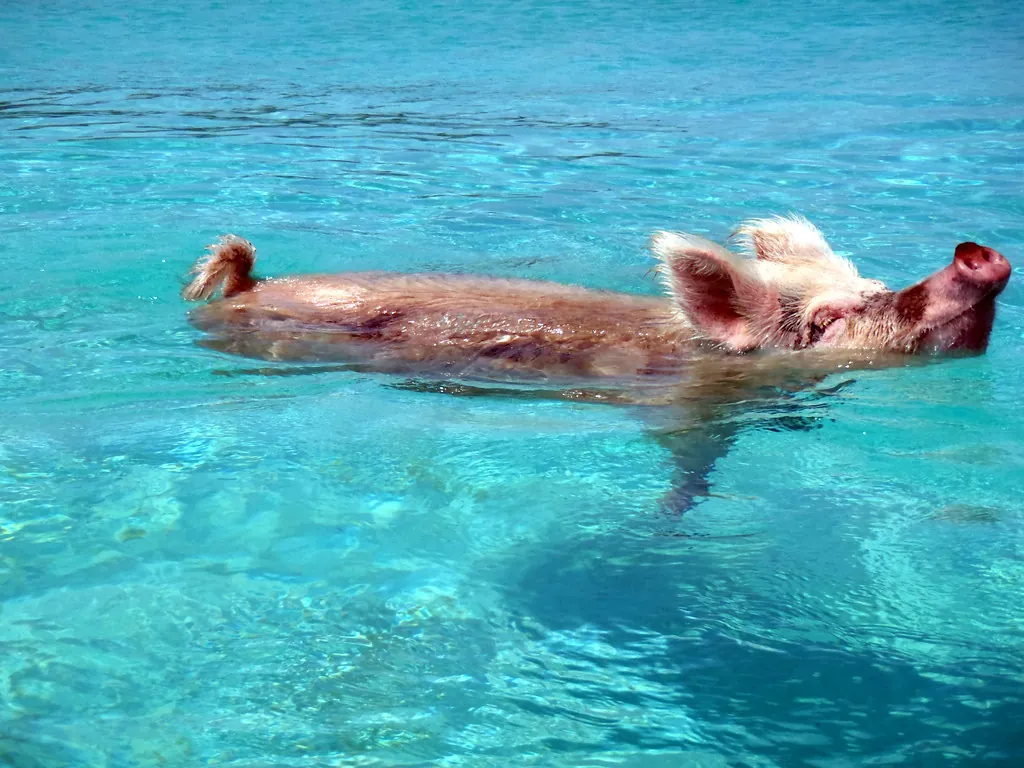
Exuma Island-Hopping Expeditions
Combine your Pig Beach visit with sandbar picnics, snorkeling vibrant coral reefs, and visiting hidden plane wrecks submerged in shallow turquoise water.
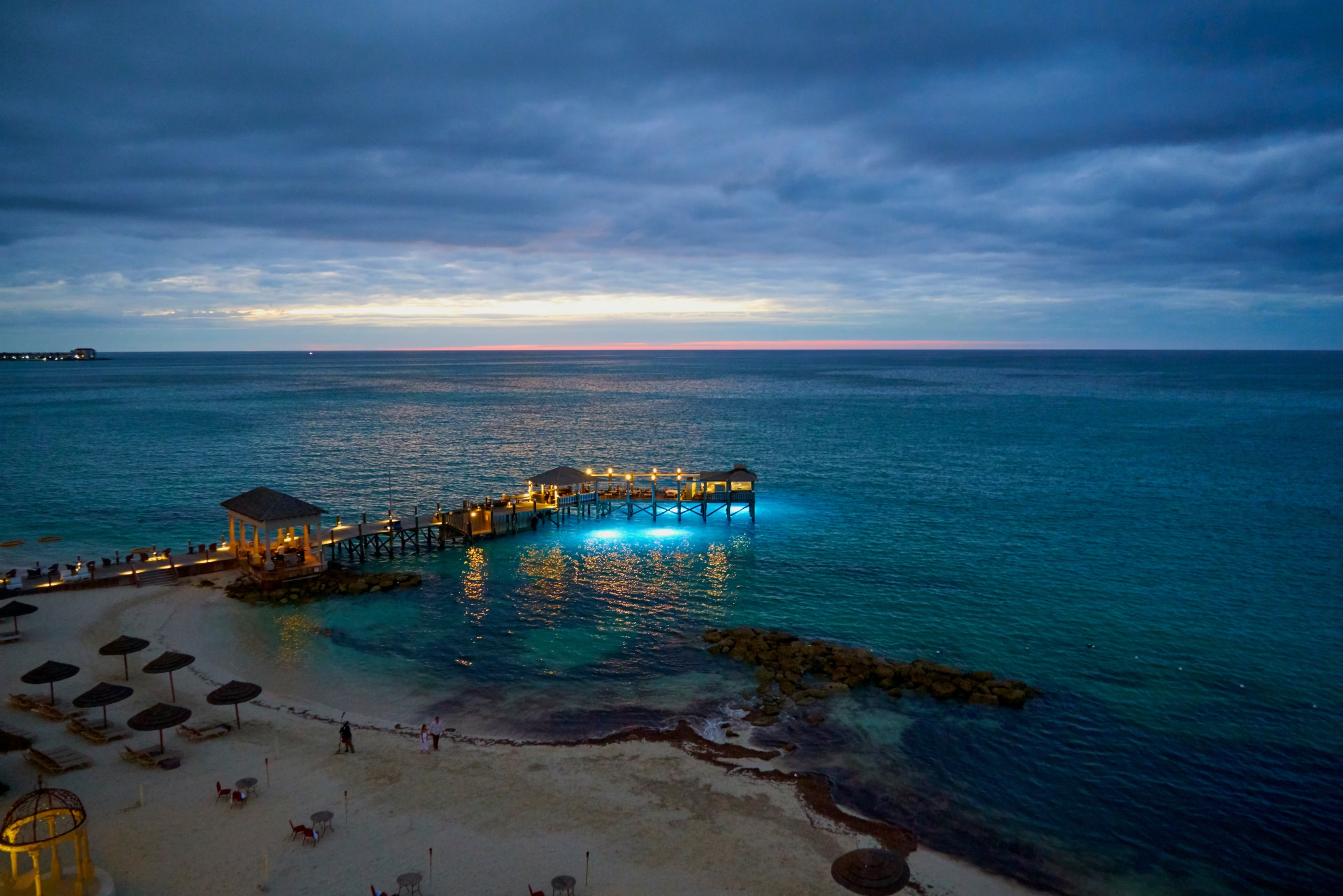
Nautical Logistics & Tides
Learn how weather windows, squalls, and tide shifts impact boat charters, sea conditions, and flight arrivals from Nassau or Florida hubs.
What is Pig Beach? Geography & The Exuma Reality
If you take a look at a proper marine chart of the Bahamas, you won’t see “Pig Beach” marked in bold historic print. The official name of this haven is Big Major Cay, an uninhabited, 200-acre islet sitting in the central Exumas, approximately 82 miles south-southeast of Nassau and a mere stone’s throw north of Staniel Cay. The island is protected by surrounding reefs and neighbouring cays, creating calm, swimming-pool-clear shallows where a herd of roughly 20 to 25 feral pigs and piglets paddle freely in the turquoise sea.
How did these creatures capture the world’s imagination? It comes down to their unusual aquatic habit. Pigs aren’t native ocean dwellers, but over decades, whenever supply skiffs or motor yachts dropped anchor in the bay, the sound of diesel engines signaled fresh scraps and water. The swine learned to trot out onto the sandbar, paddle through the gentle surf, and greet boaters right at their gunwales. Today, asking how to get to Pig Beach is one of the most common inquiries at every marina from Nassau to Georgetown.
The True Origins: Sorting Local Folklore from Farming Reality
Sit around the dock at the Staniel Cay Yacht Club long enough and you’ll hear a dozen tall tales about how the swine arrived. Some old sailors reckon a Spanish galleon wrecked off the outer reef, leaving swine to swim ashore. Others claim hungry 17th-century buccaneers dropped them off on Big Major Cay as a living larder, intending to return for a roast but getting blown off course by a hurricane.
The true story, as any local who lived through the 1990s will tell you, is grounded in practical Bahamian farming. Back in the late 1990s, two local residents—Wayde Nixon and Don Rolle—decided to start a swine farm on Big Major Cay. Some say it was born out of anxiety over the Y2K computer bug and food security concerns, while others note that keeping pigs in Staniel Cay proper was getting a bit too noisy and pungent for the neighbors. They boated a few piglets over to the uninhabited cay, built a pen, and provided clean water. Reagrdless of the minor details, the smart pigs eventually busted out of their enclosures, discovered wild berries, and realized that friendly boaters had the best treats. You can dive deeper into this fascinating backstory in our History & Origins of Pig Beach guide.
Captain’s Tip on Herd Dynamics
The colony maintains a strict social structure led by seasoned matriarchs like “Big Momma”. When boaters approach, Big Momma is often the first to plunge into the water, followed by the active litters. Keep your hands visible and empty if you aren’t holding water, so they know you aren’t hiding food in your palm.
Booking Your Excursion: 2026 Pricing & Logistics Breakdown
Navigatin’ the options for reaching Big Major Cay requires understanding the sheer distance involved. If you are staying in Nassau, remember that Big Major Cay is roughly 80 to 90 nautical miles across open ocean (the Exuma Sound). Here is how the numbers stack up for current 2026 trip options:
| Excursion Option | Departure Point | Estimated Cost (2026) | Transit Time & Style |
|---|---|---|---|
| Shared Nassau Powerboat Run | Nassau / Paradise Island | $120 – $155 per person | 3.5–4.5 hours total roundtrip speed boat; includes local reef stops. |
| Full-Day Exuma All-Inclusive Boat Tour | Nassau Pier | $350 – $450 per person | High-speed 40ft powerboat across Exuma Sound, multi-stop itinerary. |
| Fly-In Day Trip (Flight + Boat) | Nassau or Ft. Lauderdale | $550 – $715+ per person | 30-min flight to Staniel Cay airstrip, followed by targeted boat tour. |
| Private Motor Yacht / Charter | Staniel Cay or Nassau | $1,500 – $3,500+ per boat | Custom itinerary, personal captain, flexible tidal timing. |
If you’re wondering whether a one-day trip from the capital is realistic, check out our analysis on Nassau to Pig Beach Day Trip Feasibility, where we compare sea conditions vs regional flights.
Beyond the Swine: The Full Exuma Archipelago
When you book a full-day tour to Big Major Cay, you’re not just buying a ticket to see pigs—you’re getting an all-access pass to one of the most stunning island chains on Earth. Most reputable guides organize an itinerary that combines several world-class marine stops:
- Thunderball Grotto: Located right off Staniel Cay, this underwater cave system is packed with colorful corals and marine life.
- Compass Cay Nurse Sharks: Stand knee-deep on submerged wooden docks while gentle, docile nurse sharks glide over your feet.
- Allen’s Cay Rock Iguanas: Feed fresh grapes or leafy greens to protected Bahamian Rock Iguanas on pristine sandbars.
- Pipe Creek Sandbars: At low tide, pure white sand dunes emerge from the turquoise water, creating miles of shallow waist-deep paradise.
To craft the perfect multi-stop adventure, read our comprehensive Ultimate Guide to Exumas Island Hopping or explore our spotlight on Swimming with Bahamas Marine Life.
Ethics & Visitor Rules: Protecting the Feral Colony
As a captain who has watched tourism grow in these waters, I feel a personal duty to protect these animals. Back in 2017, several pigs tragically died on Big Major Cay. While early rumors blamed alcohol given by careless tourists, vet autopsies revealed the primary culprit was sand ingestion caused by visitors throwing food directly onto dry sand, combined with a lack of fresh drinking water during dry spells.
To keep the pigs healthy, the Bahamian Ministry of Tourism and local caretakers established strict rules:
- Feed Only in the Water: Never place food on dry sand where pigs will swallow abrasive coral granules. Hand out treats while paddling in knee-deep ocean surf.
- Approved Diet Only: Feed only pitted fruits, vegetables (carrots, apples), or approved pig feed. Never give processed snacks, bread, or alcohol.
- Offer Clean Fresh Water: Fresh water is scarce on coral cays. Pouring fresh, clean water into designated beach troughs is the kindest gesture a visitor can make.
- Respect Animals & Hands: If a pig approaches and your hands are empty, raise both palms up to signal you have no food. They recognize this hand sign and will quietly turn away.
Please review our official Visitor Rules & Guidelines before stepping aboard any vessel.
Weather Patterns, Tides & Location Map
Checking wind forecasts and sea states is vital before making the crossing across Exuma Sound. Below is real-time weather data and spatial layout for Big Major Cay.
Everything You Need to Know Before Setting Sail
Straight answers to common traveler questions regarding logistics, safety, and timing.
Is Pig Beach in the Bahamas ethical?
Yes, provided visitors follow strict rules. The pigs live free on an uninhabited island with natural shade and ocean access. Feeding protocols (offering food only in water, fresh water in troughs, and zero alcohol/junk food) protect the herd from harm. Local caretakers and tour operators monitor their health daily.
How far is Pig Beach from Nassau?
Big Major Cay is roughly 82 to 90 miles south-southeast of Nassau. By high-speed powerboat across open water, the transit takes approximately 2 to 2.5 hours each way depending on swell. By air, a domestic flight from Nassau to Staniel Cay takes just 30 minutes, followed by a 10-minute boat ride.
Can I see swimming pigs without going all the way to Exuma?
Yes, shorter 4-hour powerboat excursions depart Nassau for local pig encounters on Rose Island or Athol Island. While these are managed beach clubs rather than the original feral Big Major Cay colony, they are popular for travelers short on time or budget.
What should I pack for a day trip to Big Major Cay?
Pack light! Essential items include reef-safe sunscreen, a dry bag for electronics, water shoes (for coral/rocky shorelines), cash (US or Bahamian dollars for local tipping/marinas), sunglasses, swimwear, and a light jacket for breezy powerboat rides. For more advice, check our Practical Planning Guide.
What time of day is best to visit the swimming pigs?
Early morning between 8:30 AM and 10:30 AM is ideal. The pigs are energetic, hungry, and eager to swim out to boats. By late afternoon, after many tour boats have visited, they tend to be full and prefer lounging in the shady brush.
Ready to plan your complete Exuma itinerary? Head over to our Practical Visitor Hub or reserve your tour seats on our Tickets & Charters Page!