
Understanding the Geography of Big Major Cay and the Exuma Cays
I reckon thirty years on these waters teaches a man one clear lesson: the ocean does not care about your rigid calendar. My old green parrot, Sloop, sits on my shoulder every morning while I study the morning swells, and we both know that getting around these cays takes patience and respect for the sea. People look at a glossy souvenir postcard and assume Big Major Cay is a quick stroll down the boardwalk. The reality is quite diferent. Big Major Cay is an uninhabited, scrub-covered island in the Exuma Cays, an archipelago of 365 islands and cays stretching over 120 miles south of New Providence.
Understanding how to get to pig beach bahamas starts with getting your bearings on the nautical chart. The island has no airport, no concrete pier, no paved roads, and no freshwater springs. The nearest inhabited island hub is Staniel Cay, located just under two miles to the southeast across a shallow stretch of turquoise water. Staniel Cay is home to the Staniel Cay Airport (TYM), featuring a 3,000-foot airstrip, and the historical Staniel Cay Yacht Club, which provides boat moorings, fuel, and supplies for travelers venturing into this portion of the chain.
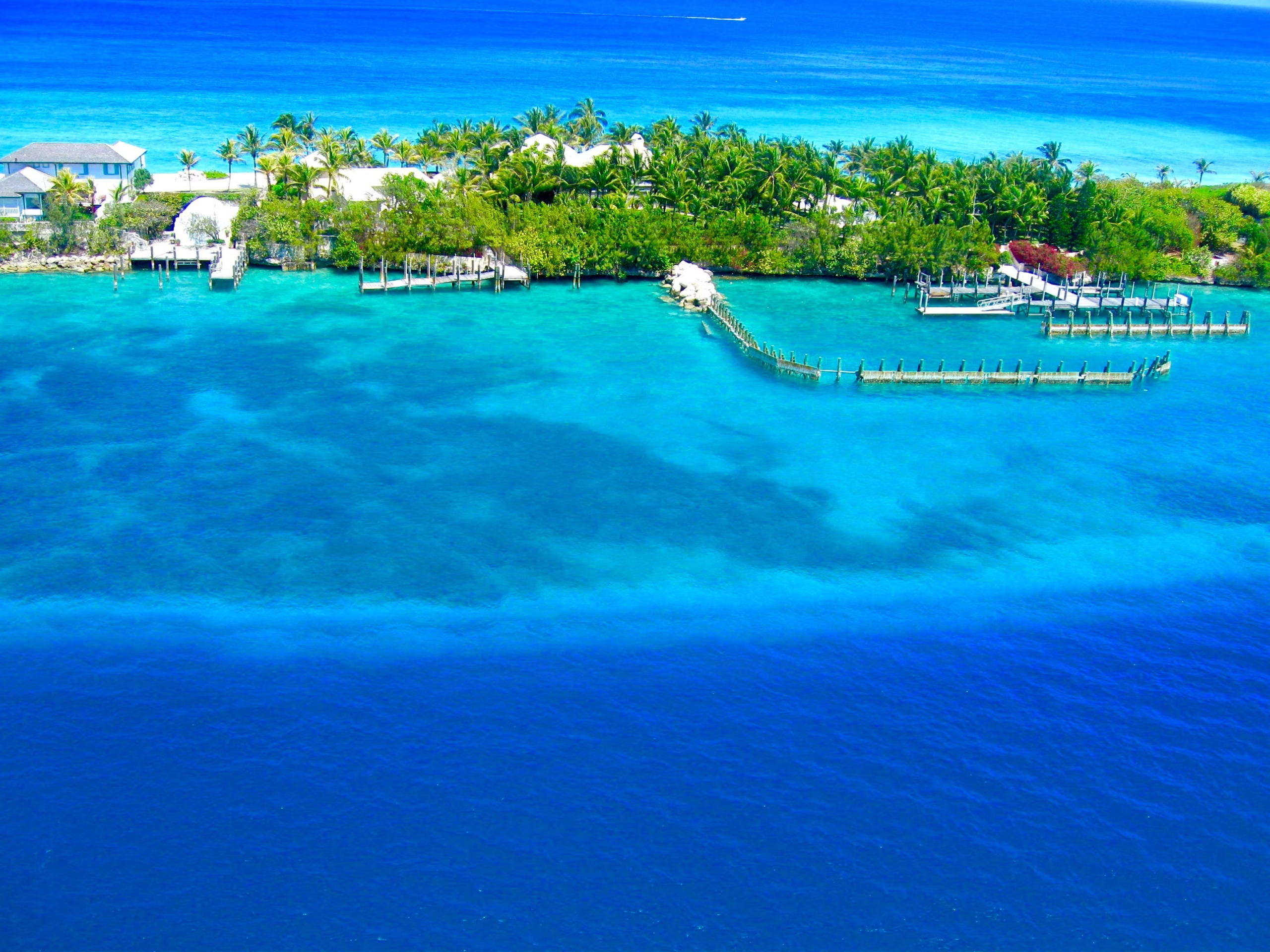
The straight-line nassau bahamas to pig beach distance is approximately 80 to 90 nautical miles south across the open ocean, depending on your exact departure marina in New Providence. That distance surprises many visitors who assume the pigs live right off the shore of Paradise Island or Cable Beach. If you attempt the journey across the deep waters of the Exuma Sound by boat, you are crossing miles of open ocean that require favorable wind and swell conditions. Before you plan your itinerary, take a moment to look at the regional map below to see how the island chain lays out against the sea.
Transit Options Comparison
Choosing your route to Big Major Cay depends on your budget, your starting location, and your tolerance for ocean motion. Sloop and I always tell folks that flying saves your stomach, while speedboats give you the wind in your hair if the ocean plays nice. The chart below breaks down the main transit methods, costs, travel times, and practical considerations for reaching Pig Beach from major regional gateways.
| Transit Method | Duration | Estimated Cost (USD) | Key Considerations |
|---|---|---|---|
| Fly Nassau (NAS) to Staniel Cay (TYM) + Local Boat | 30 – 40 min flight + 15 min boat | $267 flight avg ($400 – $600 air-inclusive tour) | Fast, smooth transit. Bypasses ocean swells entirely. High reliability during rough seas. |
| High-Speed Powerboat from Nassau | 2 to 3 hours each way | $450 – $550 per person | Direct sea crossing. Exposes passengers to open ocean chop; subject to weather cancellations. |
| Fly Direct from Florida (Fort Lauderdale FXE) | 1 hr 15 min flight + 15 min boat | $500 – $900+ roundtrip | Operated by Makers Air. Direct international entry into Staniel Cay without stopping in Nassau. |
| Exuma Boat Tour from Great Exuma (Georgetown) | 1.5 to 2 hours north by boat | $300 – $450 per person | Great option for travelers staying on Great Exuma. Scenic ride heading north up the island chain. |
| Self-Captained Skiff Rental (from Staniel Cay) | 10 to 15 minutes | $200 – $350 boat rental per day | Offers complete freedom. Requires basic boating skill and tide reading knowledge. |
Route Details and Local Transit
When figuring out how do you get to pig beach bahamas, you must evaluate four primary entry routes. Each pathway has distinct advantages depending on whether you are coming for a single day or spending a week tucked away in a quiet beach cottage in the Cays.
The first and most reliable pathway is taking a domestic flight to pig beach bahamas from nassau. Small regional charter companies and scheduled flights depart daily from Lynden Pindling International Airport (NAS) in Nassau, landing at Staniel Cay Airport (TYM) in about 35 minutes. Booking an air-inclusive day trip, such as the Exuma Island Hopping Swimming Pigs Tour with Lunch from Nassau, guarantees your flight seat and bundles your boat transfer seamlessly. You can read my complete breakdown on time investment in our detailed analysis on Nassau day trip feasibility.
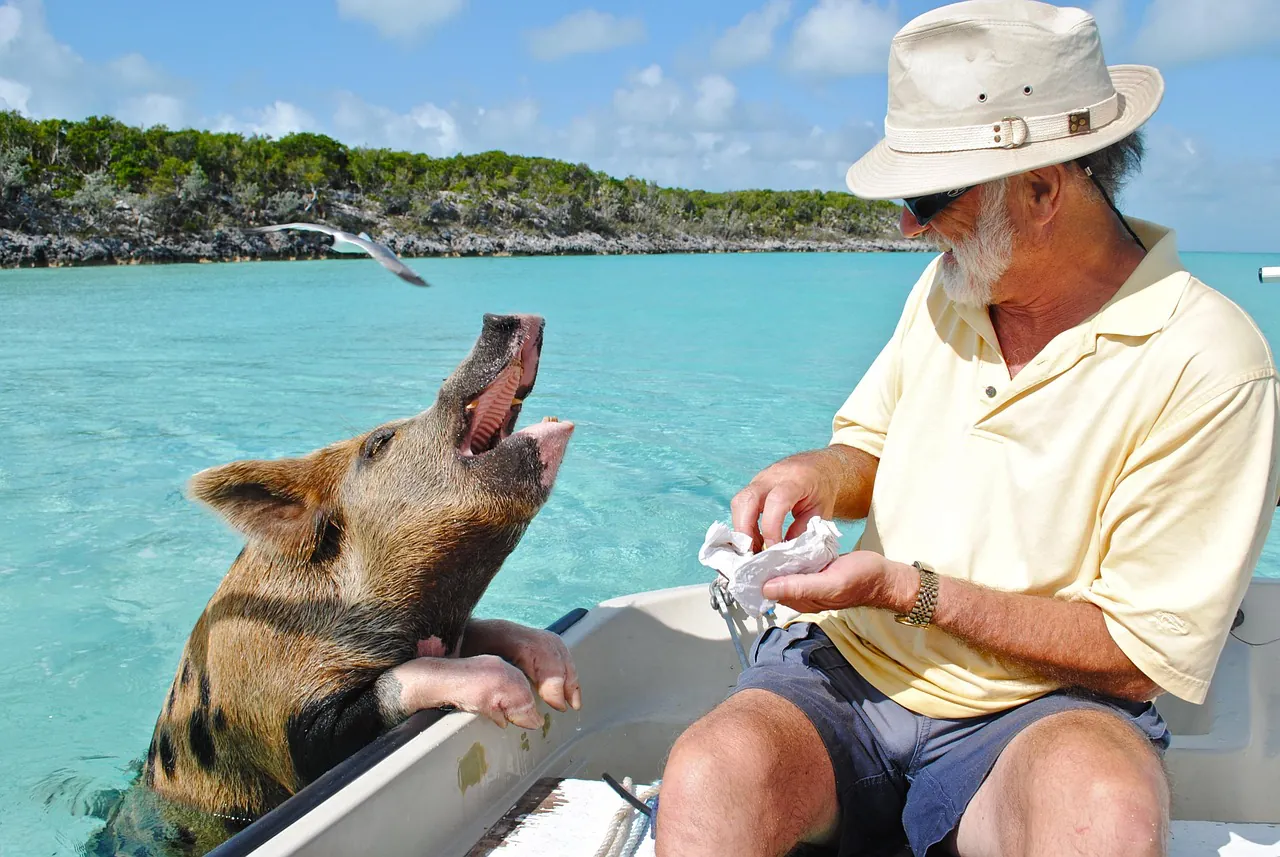
The second route involves taking a high-speed ocean powerboat directly from Nassau’s harbor. Experienced captains run large, triple-engine vessels like the ones featured on the Exuma Powerboat Tour from Nassau with Swimming Pigs. This journey spans two to three hours each way across open sea. When teh water is calm, it is a magnificent ride past tiny, uninhabited cays. When the wind kicks up from the northeast, however, that crossing turns into a bumpy, salt-sprayed trek that tests even seasoned sailors.
The third route caters to travelers based on Great Exuma. If you are staying around Georgetown, day tour operators run custom offshore boats northward up the Exuma chain. You pass Little Farmer’s Cay and Black Point before reaching Big Major Cay. This option allows you to experience the full grandeur of the archipelago, which I write about in our ultimate Exumas island hopping guide.
The fourth route bypasses Nassau completely for travelers coming from the United States. Regional carriers like Makers Air fly daily scheduled routes out of Fort Lauderdale Executive Airport (FXE) directly to Staniel Cay. You clear Bahamian customs right on the island, putting you minutes away from the beach without airport crowds.
“Remember that Big Major Cay has no dock for commercial passenger ferries. Every traveler, no matter how they reach Staniel Cay, must board a small boat or local skiff to make the final ten-minute crossing to Pig Beach.”
— Captain Elias Thorne
Many folks ask me if you can go to Pig Beach by yourself. You certainly can if you stay on Staniel Cay. You can rent a 13-foot or 17-foot Boston Whaler skiff directly from the Staniel Cay Yacht Club or local outfitters. You take the tiller, navigate past Harvey Cay, and drop anchor in the shallow, sandy anchorage off Pig Beach. Small local environmental or landing fees of around $10 per person may apply, though guided boat excursions always include these fees in their overall ticket prices. To compare guided tour packages and compare ticket options, check out our master tickets and tour guide.
Weather, Safety, and Packing
Weather, Tides, and Local Captain Advice
Planning a trip to Big Major Cay is just like reading the tides before setting sail. Wind direction and swell height dictate whether powerboats can make the crossing safely. Winter months between December and March bring cold fronts from the north that create heavy chop across the Exuma Sound, causing boat tour cancellations. Flying into Staniel Cay remains the safest bet during those months because plane schedules are rarely affected by sea swells.
Between Sloop and I, we know where the tide is heading at, and tide timings drastically alter your experience on the beach. At low tide, a broad white sandbar reveals itself, giving the pigs plenty of room to trot around. At high tide, the water reaches the tree line, forcing the animals to swim further out to meet arriving boats. Always check local sea conditions on the official Bahamas Ministry of Tourism portal before heading out, and consult the live weather station below.
Ethical Rules, Packing, and Nearby Stops
When you arrive at Big Major Cay, ethical behavior protects both you and the animal colony. These pigs are feral, strong animals. Feed them only clean pitted fruits, vegetables, or fresh water supplied by your tour operator, and never feed them directly on the sand to prevent them from ingesting fatal amounts of abrasive beach sand. For complete safety guidelines, read our visitor rules and guidelines before stepping off the boat.
Pack light for your boat journey. Essential items include a waterproof dry bag, reef-safe sunscreen, UV rash guards, a camera, and water shoes to protect your feet from submerged coral rocks. Most excursions combine Pig Beach with stops to swim alongside docile nurse sharks at Compass Cay or feed native rock iguanas at Bitter Guana Cay. You can read more about these amazing wildlife encounters in our Bahamas marine life guide.
If you wish to learn more about how these animals arrived on an uninhabited island decades ago, browse our history article on why there are pigs on the beach. To get a complete overview of accommodations and seasonal planning, return to our main Pig Beach homepage or consult our practical planning guide depending on what kind of vessel you step foot on, and where you end up at.