
Swimming with Marine Life: Iguanas, Nurse Sharks, and Pigs
Beyond Pig Beach: The Marine Wildlife of the Exumas
I have spent forty years steering vessels through these turquoise shallows, and if there is one thing I tell folks on my boat, it is that the Exumas are far more than just one island of pigs. While Big Major Cay gets the headlines, these three hundred and sixty-five cays are a sanctuary for all kinds of wild creatures. From my perch at the helm with my old parrot Sloop on my shoulder, I watch green sea turtles glide through the seagrass and prehistoric iguanas rule the limestone shores. Planning a day on these waters is a lot like reading the tides. You have to know where the creatures gather and how to respect their home if you want a proper encounter.
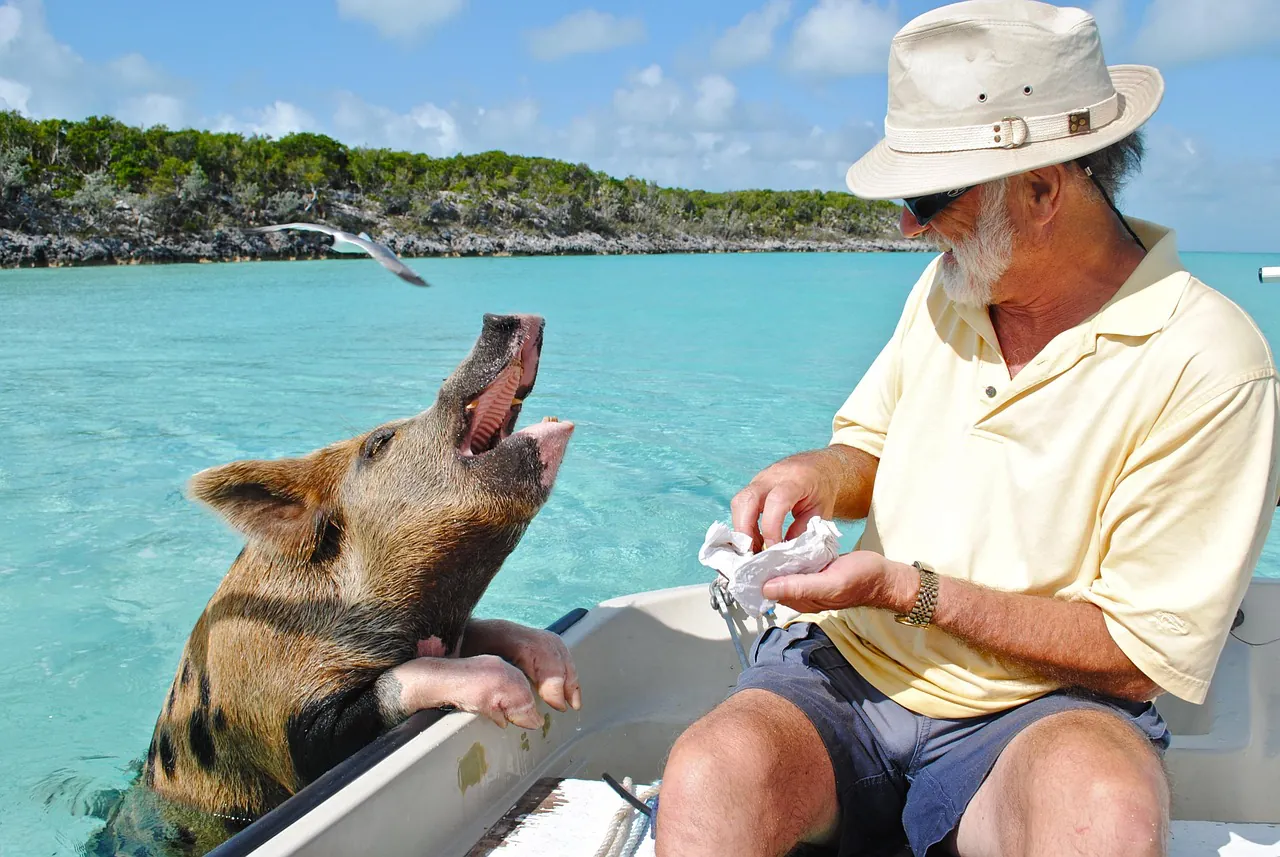
The entire region benefits from protected zones like the Bahamas National Trust Exuma Cays Land and Sea Park, established back in 1958. This massive marine reserve covers one hundred and seventy-six square miles of protected reefs, conch beds, and bird nesting grounds. When you travel through these waters, you are stepping into a delicate ecological balance. Before you head out, review our visitor rules and guidelines to make sure your trip helps preserve these islands for generations to come.
Bitter Guana Cay: Meeting the Bahamian Rock Iguana
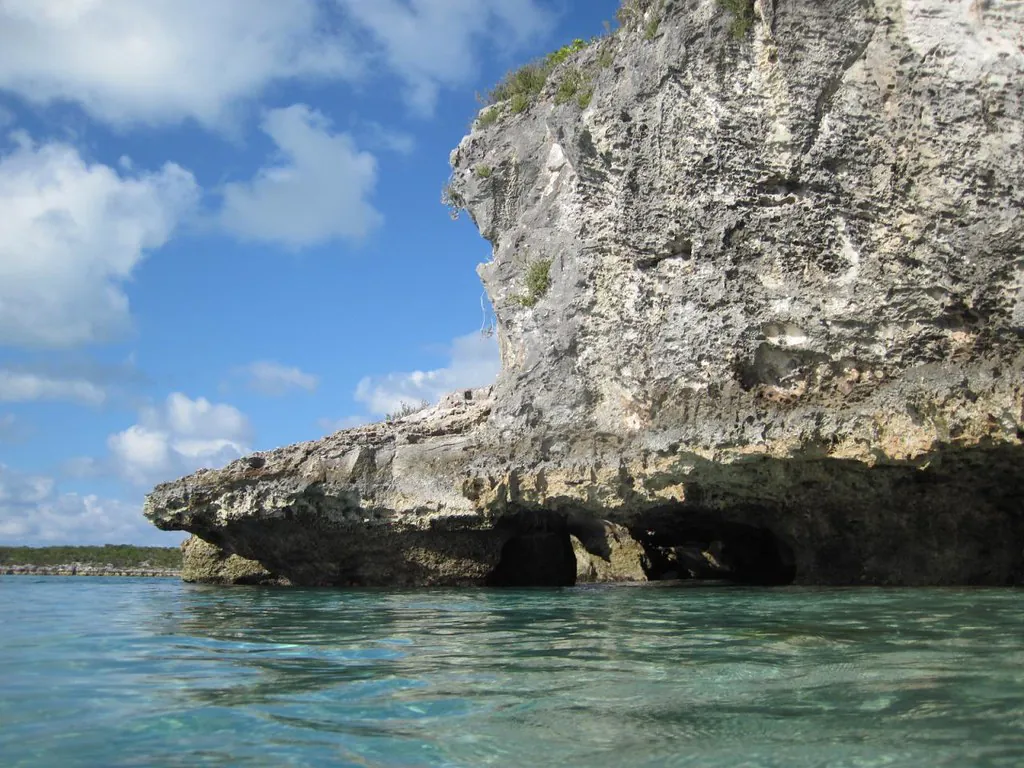
Just north of Staniel Cay lies Bitter Guana Cay, a rugged island of eroded limestone and scrub vegetation. This cay is one of the last strongholds for the endangered Northern Bahamian Rock Iguana (Cyclura cychlura figginsi). These reptiles look like small dragons sunning themselves on the pale sand. They are territorial creatures that can grow up to three feet in length, with scaly skin ranging from dark grey to dull orange. As your boat approaches teh beach, you will often see them march down to the water line to inspect who has arrived.
Alongside these rock iguanas, you will spot northern curly-tailed lizards scurrying across the dry scrub and rocky ledges. They hold their tails coiled tight over their backs as they hunt for insects. These smaller lizards are bold, but they give the larger rock iguanas a wide berth. Visitors often bring grapes on sticks to offer the iguanas, which keeps human fingers safe from accidental nips while keeping the lizards on their natural beach terrain.
Compass Cay: Swimming with Nurse Sharks
A short run north brings you to Compass Cay Marina, home to a famous resident population of nurse sharks (Ginglymostoma cirratum). These bottom-dwelling sharks hang around the submerged wooden docks, resting in the shallow tidal waters. Guests can step down onto the submerged platform or slip directly into the water to swim alongside them. Their skin feels like rough sandpaper, and their slow movements make them a favorite stop for travelers exploring the central cays.
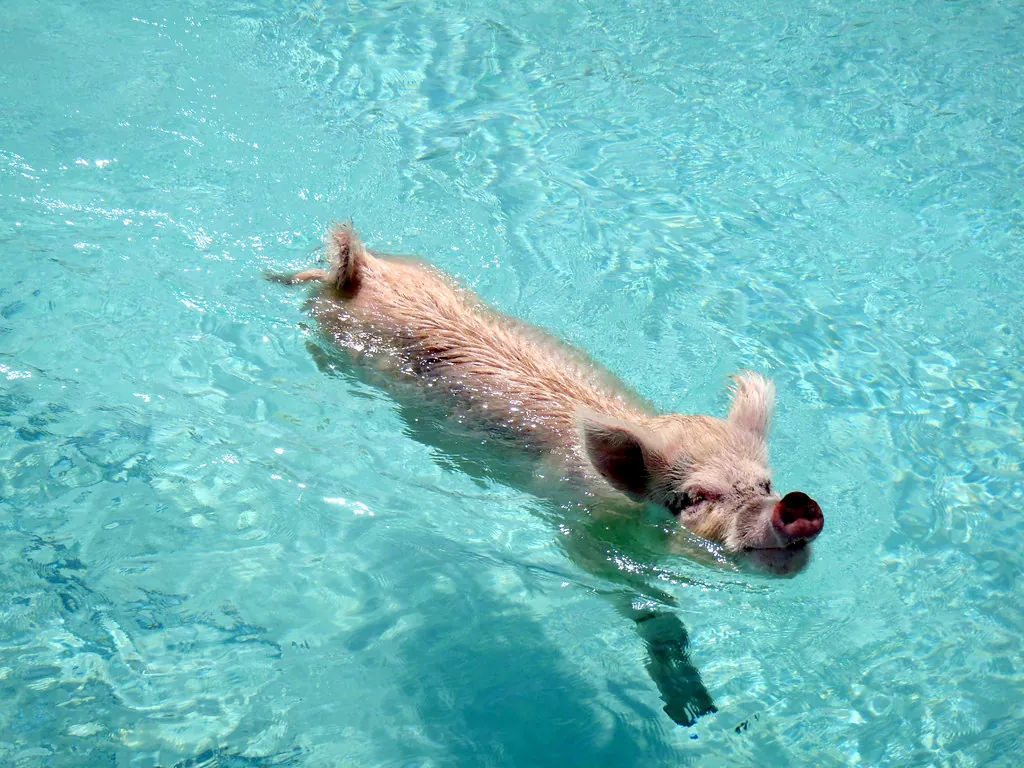
One of the most common questions landlubbers ask me on the dock is, do the sharks eat the pigs on pig beach bahamas? I always chuckle at that one. The short answer is no. First off, Big Major Cay and Compass Cay are separate islands miles apart. Second, nurse sharks are docile bottom-feeders that use suction to eat small fish, crabs, and crustaceans. They have tiny mouths and no interest in a full-grown pig swimming in the surf. The pig beach bahamas sharks narrative is pure myth spun by folks who have never spent real time on these waters.
When you swim with the nurse sharks, keep your hands flat against your chest or down by your sides. Do not attempt to grab their dorsal fins or lift them out of the water. The dockmasters at Compass Cay maintain clear safety boundaries to protect both the visitors and the marine life, so pay attention to their instructions before stepping into the marina slips.
Sea Turtles and Seabirds across the Cays
Green sea turtles are a frequent sight in the clear shallows throughout the Exuma chain. Places like Stocking Island near Georgetown and the calm bays around Little Farmer’s Cay have healthy seagrass beds where these reptiles feed. They surface every few minutes for air, breaking the glassy water with a sharp exhale before diving back down. Snorkelers who approach slowly without splashing can drift quietly beside them for several minutes at a time.
Many travelers choose a organized pig beach turtles snorkeling daily tour that combines stops at Big Major Cay, the turtle feeding grounds, and the iguana beaches into a single excursion. You can read our guide on how to get to Pig Beach to see how these boat trips depart from Nassau, Georgetown, or Staniel Cay using high-speed center-console powerboats.
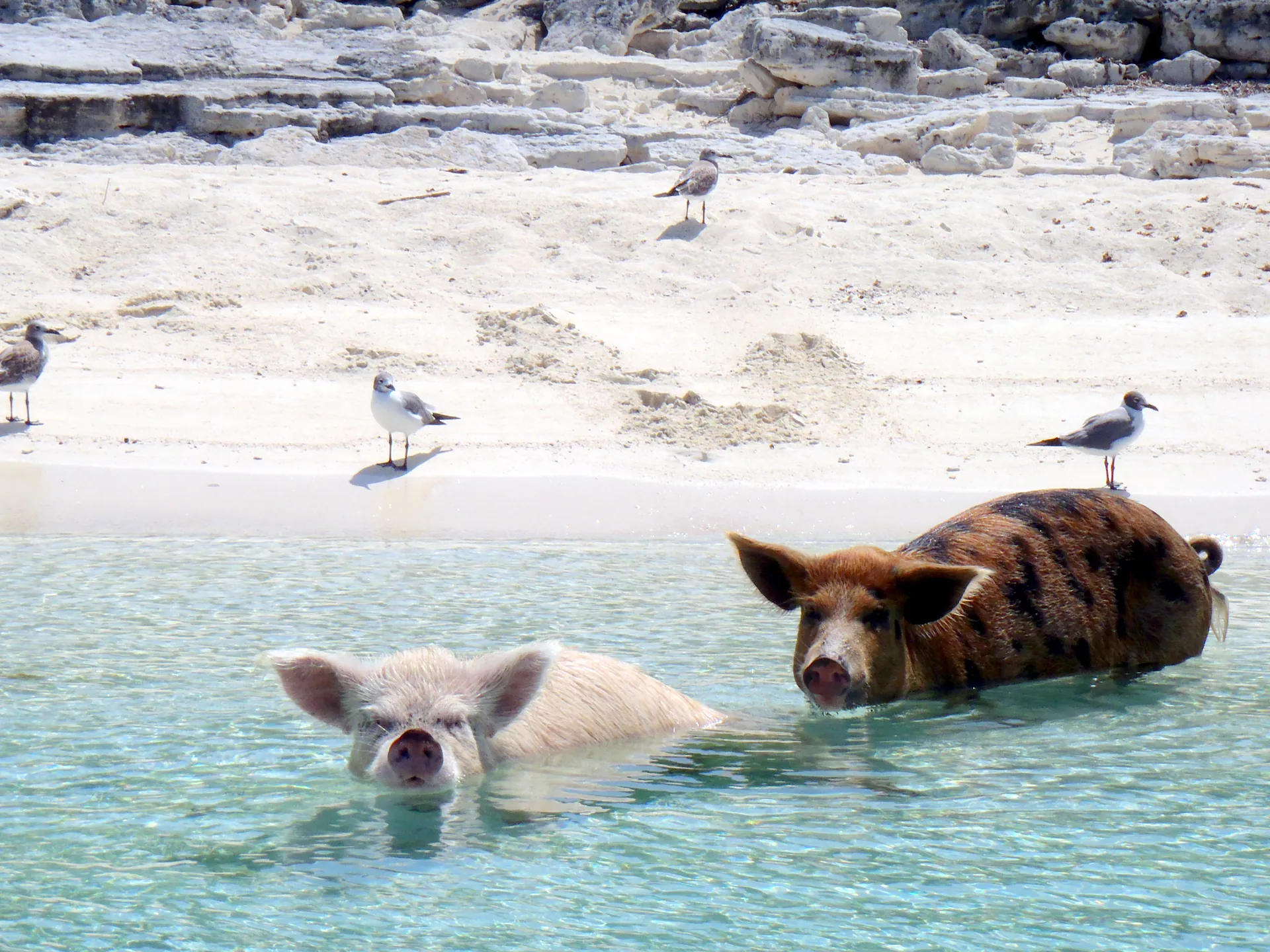
Above the water line, the limestone cliffs and mangrove creeks host a wide array of bird life. Western spindalis, osprey, and green herons nest along the rocky coastlines. Look up near the high cliffs and you might spot white-tailed tropicbirds with their long streamer feathers trailing behind them as they hunt for small fish in the open sea. Sloop always squawks when an osprey hits the water nearby, a spot that me and Sloop keep an eye on whenever we drop anchor.
Practical Advice for Wildlife Travelers
If you want to spend a day swimming with marine life, pack the right gear. Sunscreen that contains oxybenzone or octinoxate harms coral reefs and sensitive marine species, so use reef-safe mineral products containing zinc oxide. Bring a mask and snorkel that fit properly before you leave port. Rental gear on boats can be worn out, and a leaking mask ruins a reef swim faster than bad weather. If you bring an underwater camera, secure it with a wrist lanyard so it does not end up at the bottom of a forty-foot channel.
To pull all these wildlife stops into one trip, check out our full Exumas island hopping guide. Whether you are flying into Staniel Cay or booking a powerboat run, planning around tidal shifts ensures you arrive at shallow sandbars and reef cuts when conditions are safest for swimming. You can also dive deeper into the history and origins of Pig Beach to understand how feral swine adapted to island life alongside the native marine species of the Exumas.
Listen to your local captain when you are on the water. We know the currents, we know the animal behaviors, and we know how to keep you safe while preserving the natural environment. Leave no trash behind, handle animals only when explicit permission is given by local authorities, and remember that we are guests in their underwater paradise. Keep your eyes on the horizon and respect the sea, and the Exumas will give you stories to tell for the rest of your days.