
Day Tripping from Nassau: Is It Feasible?
Day Tripping from Nassau: Is It Feasible?
Sitting on the fuel dock at Staniel Cay with my green parrot Sloop perched on my shoulder, I watch the morning harbor traffic come alive. Every day, folks step off boats or out of small planes asking if rushing down from New Providence to see the swimming swine on Big Major Cay is worth the mileage. Planning a single-day sprint across Bahamian waters is much like reading the tides before clearing a shallow inlet. You have to calculate the distance, weigh the transit options, and understand what open sea actually feels like when the wind picks up.
The Distance Equation
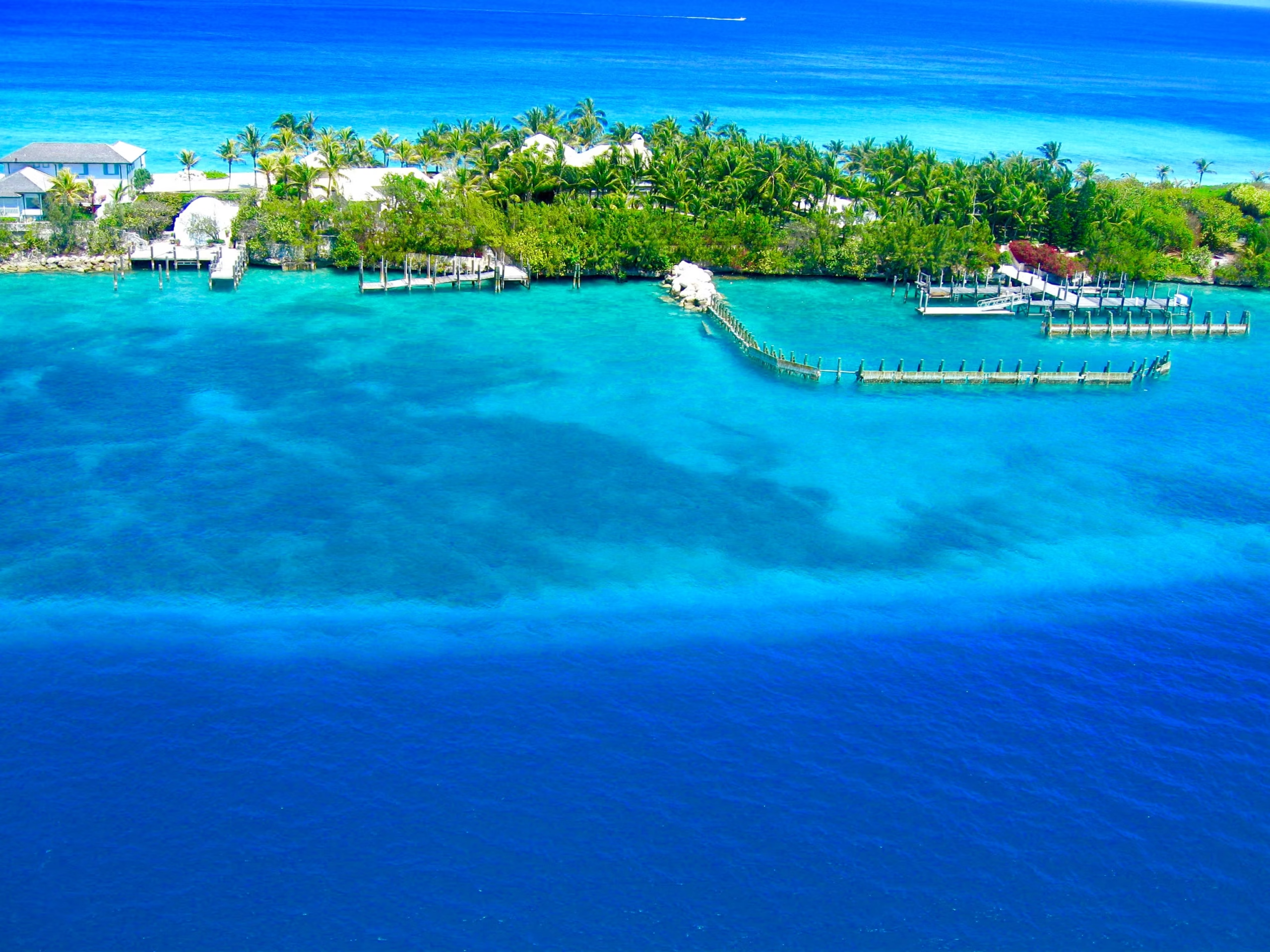
Understanding how far is pig beach from nassau bahamas requires looking past simple island maps. Big Major Cay rests roughly 80 miles south-southeast of Nassau across the open stretch known as the Exuma Sound. That ocean water has real depth and temper, meaning those 80 miles are not a calm lake stroll. Travelers planning nassau bahamas to pig beach trips need to factor in this geography before booking a seat, especially if ocean swells tend to unsettle their stomachs. Detailed routes and charter choices are covered in our comprehensive guide on how to get to Pig Beach.
Option A: High-Speed Powerboat Excursions from Nassau
Taking a boat from nassau to pig beach bahamas aboard a high-speed triple-outboard powerboat is the classic way group tours run this route. These vessel hull designs slice through wave crests, keeping a brisk pace of 35 to 40 knots across open water. The run takes anywhere from 2.5 to 3 hours each way, depending on wind direction and swell height. On a glass-calm summer morning, the ride feels fast and thrilling. When a winter northern blow sweeps down, those three hours become a hard, salty workout where you hold tight to grab rails. Choosing a pig beach bahamas tour from nassau on the water means accepting that six hours of your day will be spent bouncing over waves.
“The Exuma Sound is a proper body of water. Respect the horizon, pack a salt-resistant windbreaker, and never underestimate what three hours of sea spray will do to your sunscreen.” — Captain Elias Thorne
Option B: Domestic Flights Paired with Local Boat Charters
Flying out of Lynden Pindling International Airport in Nassau down to Staniel Cay Airport cuts transit time down to a manageable fraction. Regional carriers such as Makers Air operate regular, short-hop flights taking roughly 30 to 40 minutes each way. Once your plane touches down on the Staniel Cay airstrip, you are only a ten-minute skiff ride away from Big Major Cay. This option avoids teh long ocean swells, saving your energy for actual sand and water time. It is the preferred choice for families with small kids or travelers prone to severe motion seickness.
Comparing Transit Timelines
Balancing transit hours against beach time requires looking at how a twelve-hour window gets spent. Powerboat tours spend roughly sixty percent of the day navigating open water, while fly-and-boat combinations flip that ratio, keeping sixty percent of the day anchored in calm cays.
| Transit Method | One-Way Time | Round-Trip Transit | Time at Cays | Sea Conditions Risk |
|---|---|---|---|---|
| High-Speed Powerboat | 2.5 to 3.0 Hours | 5.0 to 6.0 Hours | 3.5 to 4.5 Hours | High (Open ocean swells) |
| Fly-Drive Combination | 35 to 40 Minutes | 1.2 to 1.5 Hours | 6.0 to 7.0 Hours | Low (Flight stays above water) |
Weather Realities and Tide Readings
Bahamian weather dictates every maritime schedule in these cays. Squalls can roll off the Gulf Stream unexpectedly, and cold fronts bring chopping seas that ground light powerboat fleets in harbor. Sloop usually gets quiet and shifts his weight on his perch an hour before wind shifts hit the dock. Captains monitor barometric pressure continuously, and single-day charters from Nassau are occasionally canceled with short notice when conditions deteriorate. Understanding seasonal wind patterns is essential when reviewing our practical planning guide before locking in travel dates.
What a Typical 12-Hour Itinerary Looks Like
A successful day trip requires an early start and disciplined timing from dawn to dusk.
- 06:00 AM: Hotel pickup in Nassau and transfer to the marina dock or domestic airport terminal.
- 07:00 AM: Departure across the Exuma Sound via powerboat or regional commuter aircraft.
- 09:30 AM: Arrival in the Staniel Cay area, boarding local skiffs for cay exploration.
- 10:00 AM: Anchor off Big Major Cay to swim with the feral pigs before mid-day boat traffic increases.
- 12:30 PM: Bahamian lunch on Staniel Cay and brief stop at neighboring sandbars.
- 02:30 PM: Snorkel stop at nearby marine caverns or nurse shark sanctuaries.
- 04:30 PM: Departure call for the return transit back toward New Providence.
- 07:00 PM: Return arrival at Nassau docks or airport terminals.
Beyond Pig Beach (Big Major Cay)
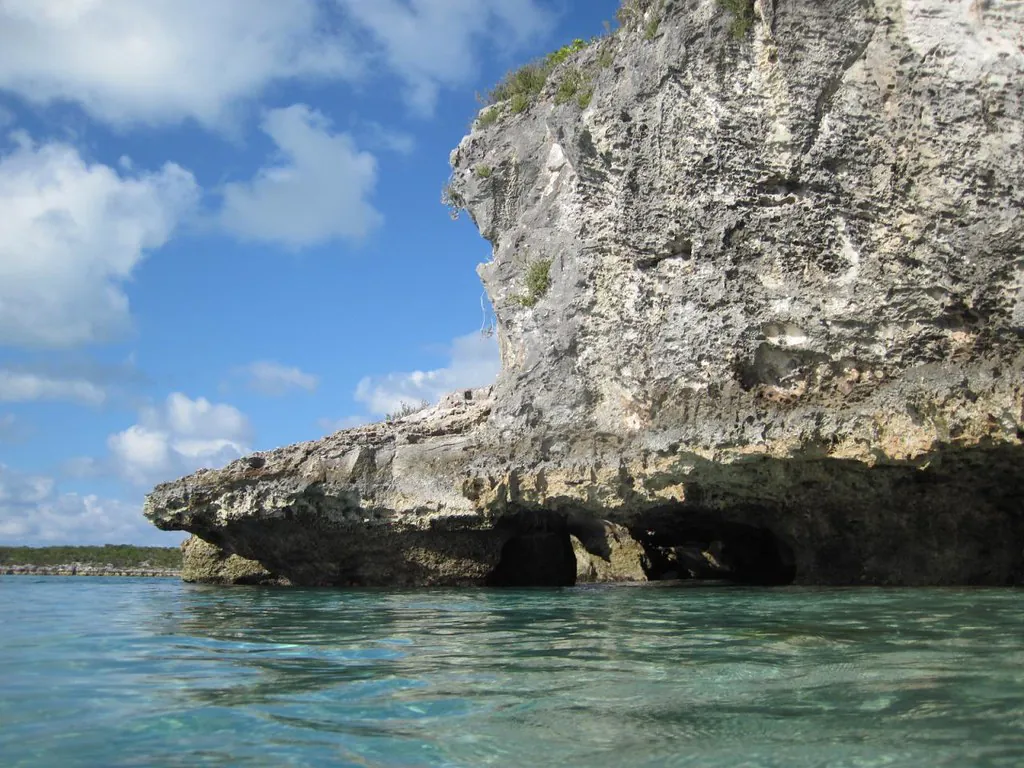
Single-day excursions running down from Nassau rarely stop at Pig Beach alone. Most charters bundle nearby landmarks into their itinerary to maximize the long journey south. Thunderball Grotto rests directly across from Staniel Cay, holding a 4.9 visitor rating due to its hollow limestone interior where sunlight pours through natural ceiling skylights. Snorkeling inside this tidal cavern during slack tide reveals swarms of yellowtail snapper and sergeant majors. You can read details about handling these waters safely in our marine life encounters spotlight.
Top Nearby Spots Comparison
| Location Name | Distance from Big Major Cay | Primary Highlight | Access Method |
|---|---|---|---|
| Thunderball Grotto | 1.2 Nautical Miles | James Bond filmed marine cavern | Snorkel boat charter |
| Compass Cay Marina | 7.5 Nautical Miles | Docile nurse shark interaction | Dockside boat slip |
| Bitter Guana Cay | 4.0 Nautical Miles | Endemic Bahamian rock iguanas | Shallow beach landing |
Highlights Around the Region
Travelers extending their stays beyond a single-day sprint discover vast natural sanctuaries across the outer islands. Inagua National Park holds a 5.0 rating, protecting over 80,000 West Indian flamingos within its interior salt flats under the oversight of the Bahamas National Trust. Further north on Eleuthera, the Leon Levy Native Plant Preserve maintains a 4.9 rating, offering elevated boardwalk trails winding through native hardwood forests and medicinal flora gardens.
Down on Long Island, Dean’s Blue Hole holds a 4.8 rating as the world’s second-deepest known saltwater sinkhole, plunging over six hundred feet into dark turquoise depths right off a white beach shoreline. Inspecting these outlying spots requires slow island hopping, as outlined in our Exuma island hopping guide.
Getting Around
Navigating the central Bahamian archipelago reveals centuries of maritime history carved into physical landmarks. Eleuthera features the Glass Window Bridge, rated 4.8, where a narrow rock ledge separates the deep dark blue Atlantic Ocean from the calm turquoise Bight of Eleuthera. Just miles away lies Preacher’s Cave, holding a 4.7 rating, where 17th-century English Eleutheran Adventurers took shelter after shipwrecking on treacherous reefs. Connecting these locations requires careful regional logistics, which are explained in detail on our main guide homepage.
Ethical Considerations at Pig Beach
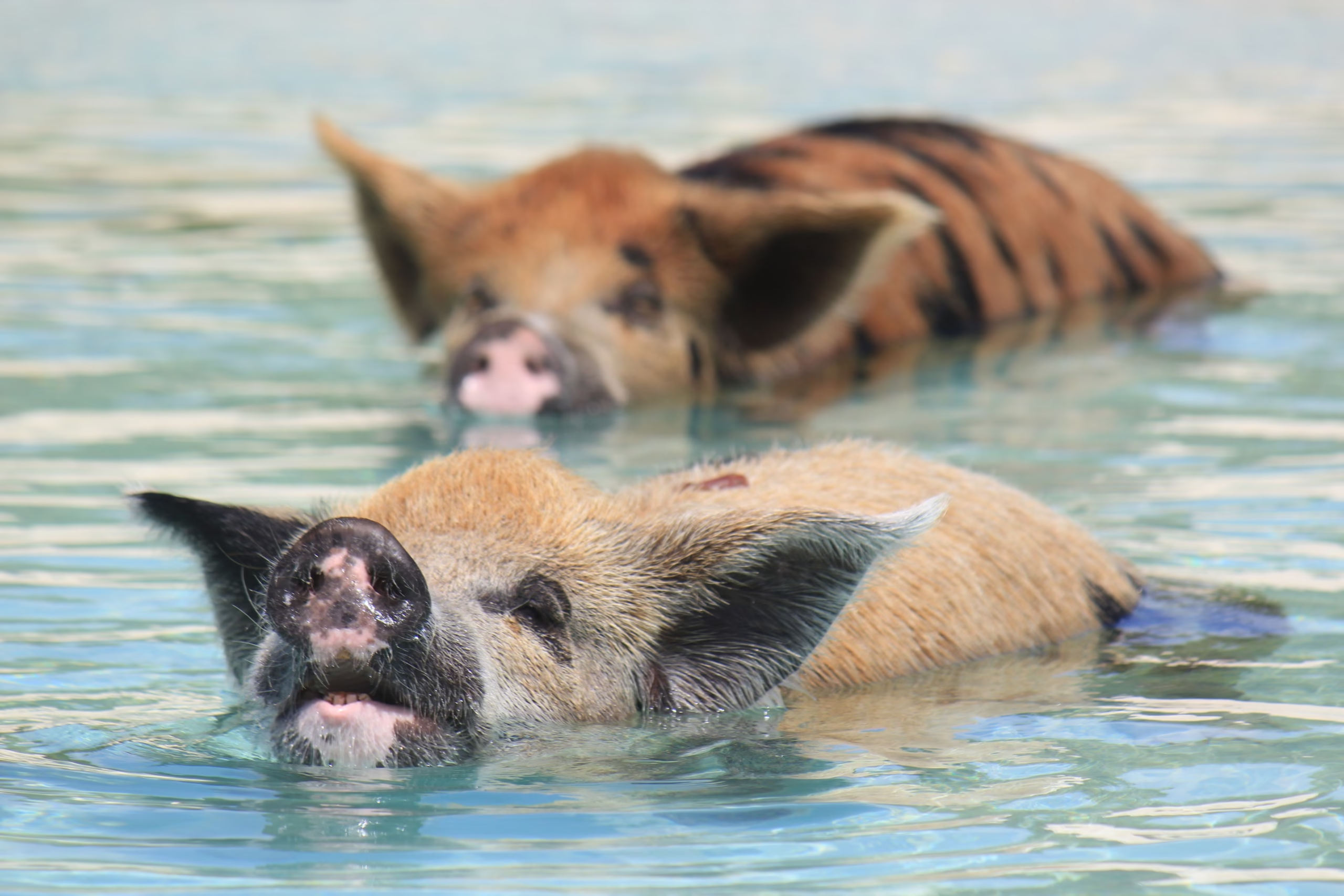
Rushing ashore on a single-day tour often puts travelers in the middle of peak mid-day crowds. The pigs on Big Major Cay are feral animals living under harsh tropical sunlight, relying on visitors and locals for freshwater and proper nutrition. Feeding them processed junk foods or chasing them into deep water causes genuine distress. Visitors should keep a respectful distance, offer fresh water in beach troughs rather than feeding by hand in ocean surges, and follow established protocols found in our visitor rules and guidelines. Understanding how these animals arrived here on the cay is detailed in our article on pig beach history.
Cost Analysis: Powerboats versus Flight Packages
Budget constraints play a huge role when deciding between air travel and powerboat options from Nassau. Group powerboat charters generally run between $400 and $600 per person, covering fuel, crew fees, lunch, and entry stops. Fly-and-boat combination packages usually cost between $700 and $900 per seat, reflecting aircraft fuel and small-scale boat transfers. Reviewing available options on our tour booking page helps clear up budget details before committing payment.
Packing Right for a Long Day on the Water
Packing light and smart keeps you comfortable during twelve hours away from your resort hotel base.
- Heavy-duty dry bag to protect phones and camera gear from heavy saltwater spray.
- Reef-safe sunscreen without oxybenzone to protect delicate shallow water coral head ecosystems.
- Lightweight windbreaker jacket for chilly morning powerboat runs across open water.
- Physical US dollar cash for dock fees, tips, and small marina purchases.
- Polarized sunglasses to cut water surface glare and see shallow sandbar shoals cleanly.
Final Verdict on the Nassau Sprint
A single-day trip from Nassau down to Pig Beach on Big Major Cay is entirely feasible if you select the right transport method for your group. Travelers who do not mind rough water and want an action-packed day will find powerboat excursions exciting. Those seeking maximum beach time, calmer transport, and easier travel should book a fly-and-boat package instead. Reckon your budget, check the wave forecast, and match the transit style to the kind of weather depending on what kind of weather you are heading into.